Are you a busy gamer juggling work, family, and your passion for digital adventures, constantly battling the dreaded 'low disk space' notification? This comprehensive guide on 'can delete Steam game files' is tailor-made for you. We understand the frustration of wanting to install a hot new release or a cherished indie gem, only to find your drive full of forgotten titles. This article provides essential, easy-to-follow steps to reclaim valuable storage space on your PC, ensuring your gaming setup remains optimized for performance and enjoyment. Discover the official methods, learn how to handle stubborn residual files, understand the nuances of cloud saves, and gain confidence in managing your ever-growing digital game library. With insights into recent gaming trends, like the average US gamer dedicating 10+ hours weekly, and mobile gaming's continued dominance alongside PC, efficient file management is crucial. Let's make sure your rig is always ready for your next session, whether it's a quick match after work or a weekend deep dive into a new world.
Can I permanently delete Steam game files from my PC?
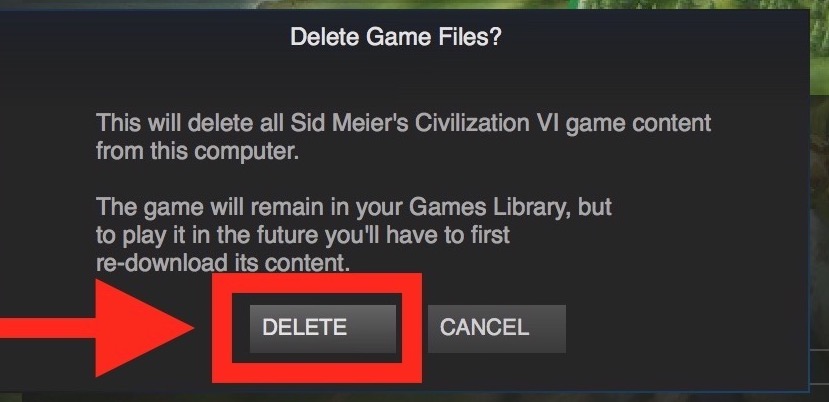
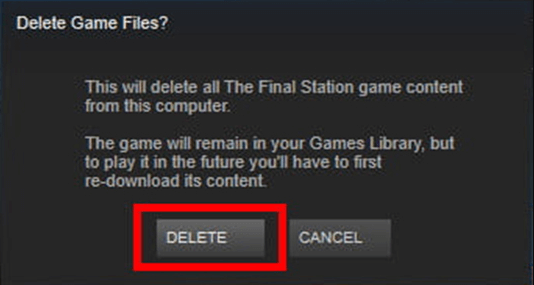
Yes, you can permanently delete Steam game files from your PC by uninstalling them through the Steam client. This removes the game's core data from your hard drive, freeing up storage space. While the game remains in your Steam library for reinstallation, its physical files are gone until you choose to download it again.
How do I safely uninstall a game through the Steam client?
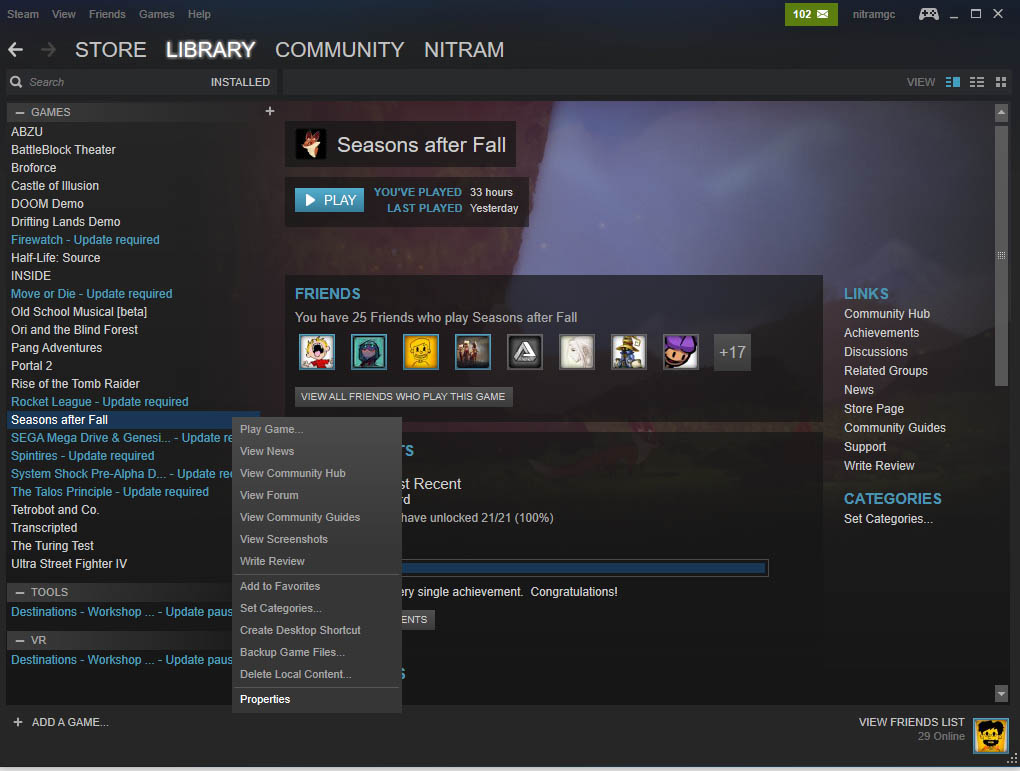
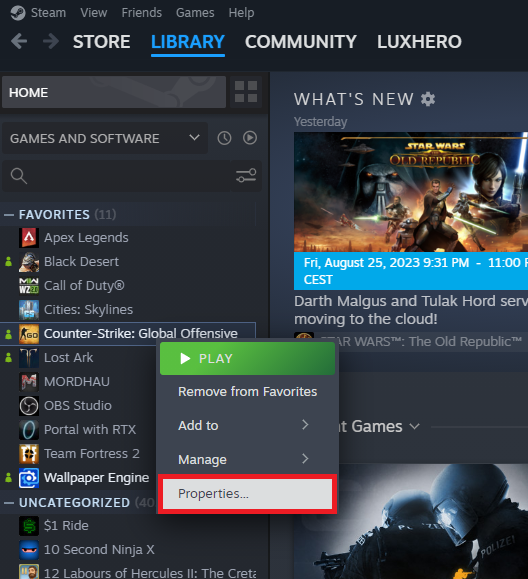
To safely uninstall a game through the Steam client, open your Steam library, right-click the game, select 'Manage,' then click 'Uninstall.' Confirm your choice when prompted. This official method ensures that Steam properly removes the game files and unlinks the title from your local installation, minimizing residual data.
Will deleting a Steam game remove my save files and progress data?
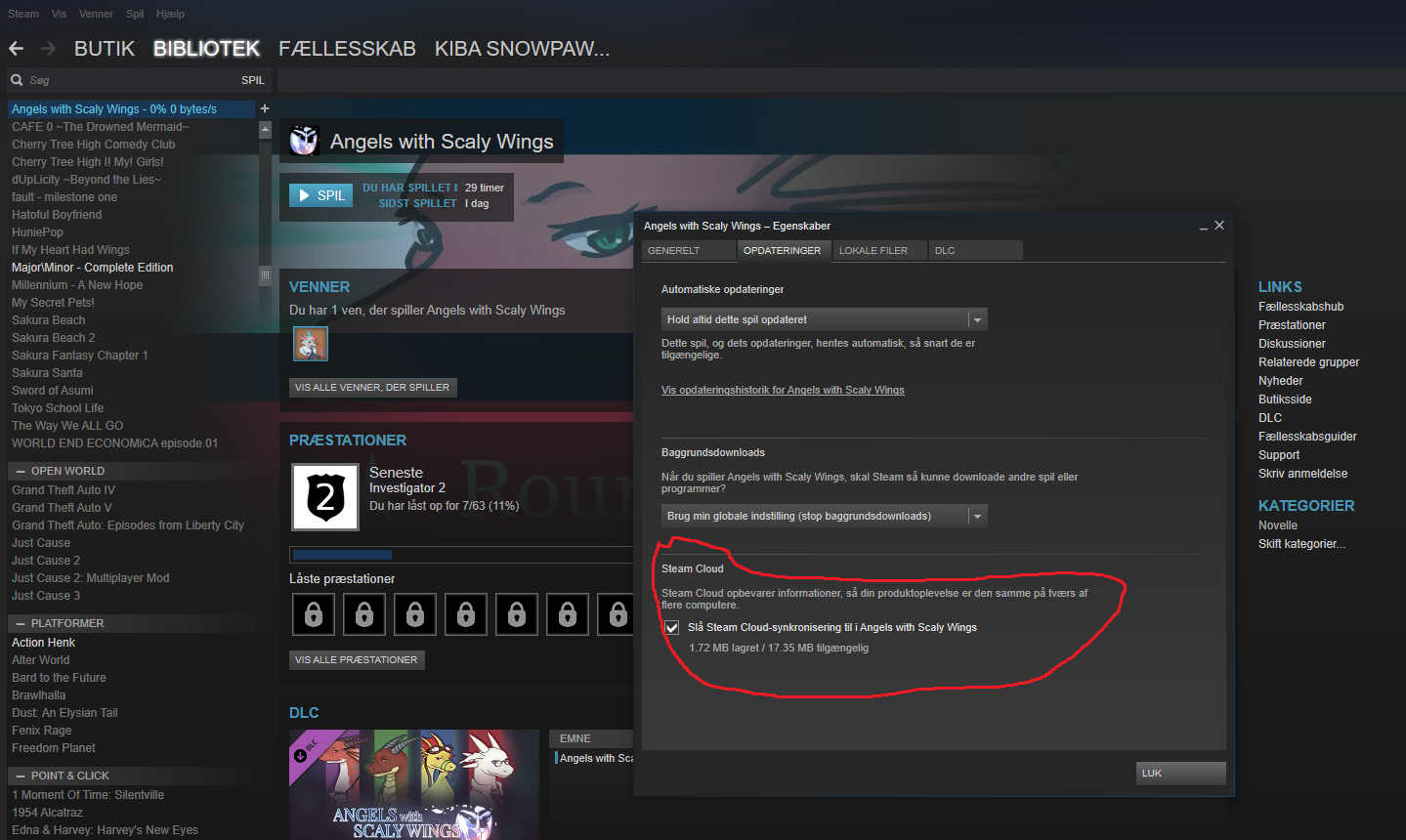
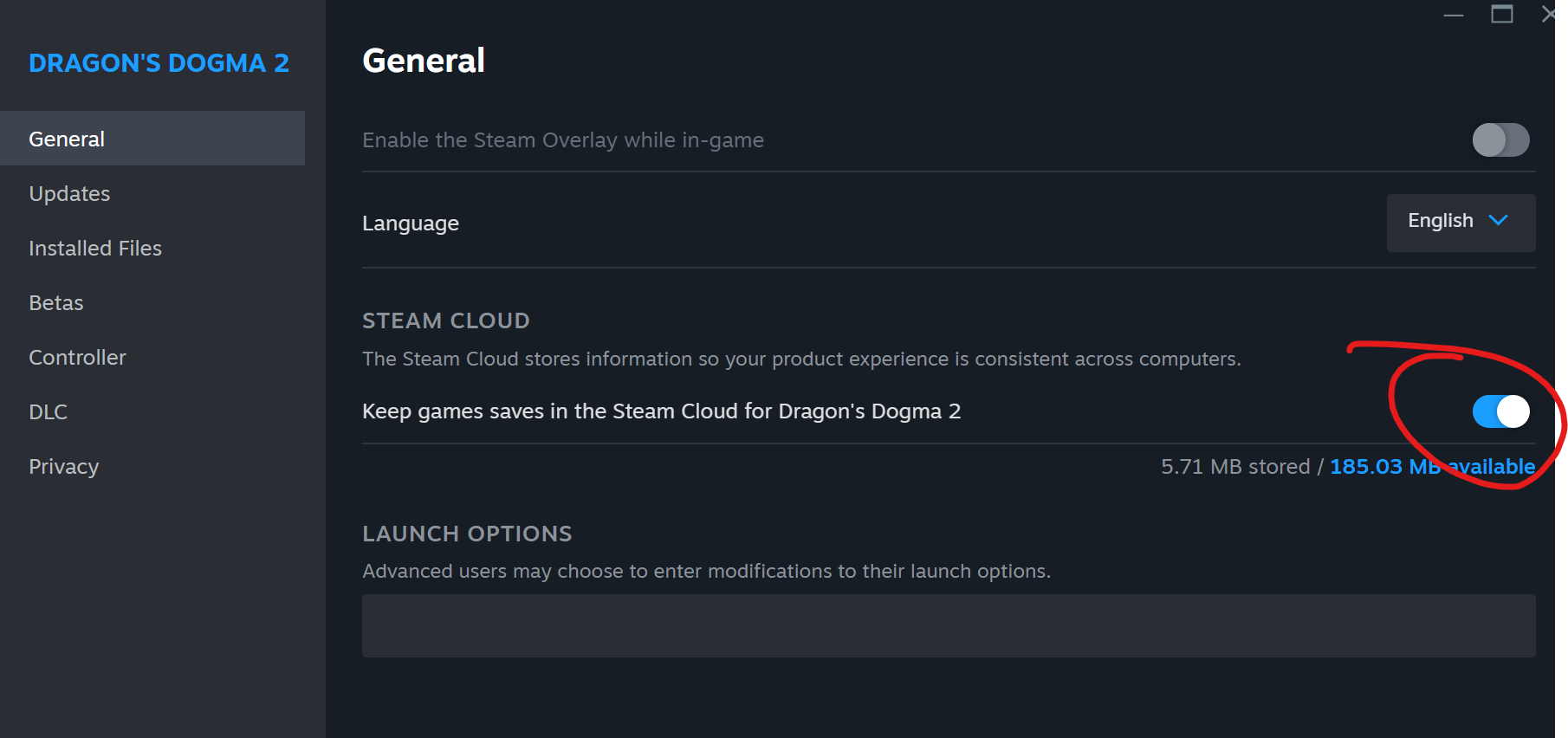
Deleting a Steam game typically will not remove your save files and progress data if the game uses Steam Cloud. Cloud saves are backed up online. However, for games without Steam Cloud support, local save files might be deleted. Always check for cloud support or manually back up important local saves before uninstalling.
What's the difference between uninstalling and deleting local content on Steam?
On Steam, 'uninstalling' a game and 'deleting local content' are essentially the same action. Both processes remove the game's installed files from your computer's hard drive. The terminology may vary slightly in different Steam client versions, but the goal is always to free up disk space by removing the game's physical data.
Can I delete Steam game files without deleting Steam itself?
Absolutely, you can delete individual Steam game files without deleting the entire Steam client. The Steam client is separate from the games installed within it. By using the 'Uninstall' feature for specific games, you remove only that game's data while keeping Steam and all your other installed titles intact.
How do I recover space after deleting Steam games?
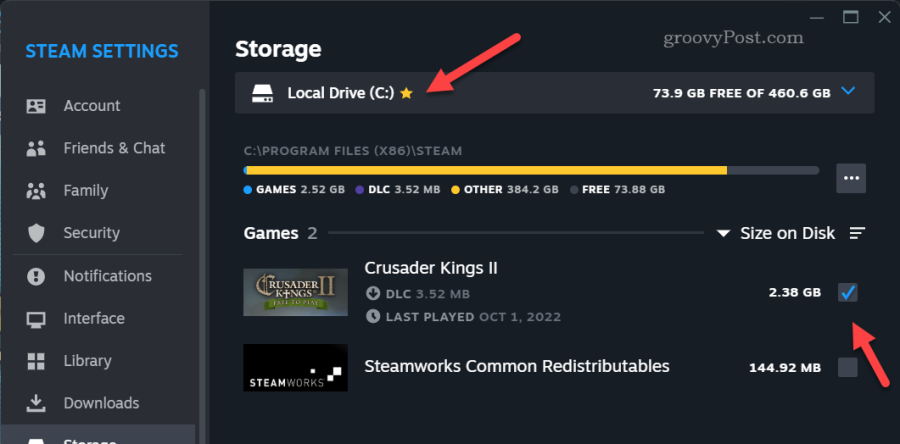
After deleting Steam games, you recover disk space immediately. To see the freed space, check your drive properties in Windows File Explorer. You can also monitor your Steam Library Folders via Steam settings to see your remaining free space, ensuring your system has room for new installations and updates.
What are common pitfalls when trying to remove Steam game files?
Common pitfalls when removing Steam game files include accidentally deleting local save files for non-cloud-supported games, not fully removing residual files (though often harmless), or attempting to manually delete files without using the Steam client, which can sometimes lead to registry issues. Always prioritize the official Steam uninstall method.
Hey fellow gamers! Ever stare at your Steam library, contemplating installing that exciting new release or jumping back into a beloved classic, only to be met with the dreaded 'not enough disk space' warning? You're not alone. For many of us balancing a demanding job, family life, and our precious gaming hours, managing digital real estate on our PCs is a constant battle. We value our relaxation time, and nothing sours it faster than performance issues or endless file juggling.
The good news is, yes, you absolutely can delete Steam game files, and doing so is a fundamental skill for any PC gamer. It's about optimizing your experience, ensuring your system runs smoothly, and making room for the games that genuinely bring you joy or skill-building opportunities. With 87% of US gamers regularly dedicating 10+ hours a week to their passion, efficient game management isn't just a nicety; it's a necessity. This guide is designed to empower you with the knowledge and steps to confidently clean up your Steam library, reclaim your disk space, and keep your gaming rig performing at its best without any corporate jargon or unnecessary hype. Let's dive into how you can delete Steam game files like a pro.
Can you delete Steam game files and what happens when you do?
Yes, you can definitively delete Steam game files. When you choose to delete a game through Steam, you are essentially uninstalling it. This process removes the core game files from your computer's hard drive, freeing up the space they occupied. What happens next depends on several factors, primarily whether the game utilizes Steam Cloud saves. If a game supports Steam Cloud, your progress, settings, and save files are typically backed up online, meaning they won't be lost when you uninstall the game locally. However, for games without cloud support, uninstalling might remove local save data, so it's crucial to understand this distinction before proceeding.
What's the best way to officially uninstall a Steam game?
The best and safest way to uninstall a Steam game is always through the Steam client itself. This method ensures that Steam properly unlinks the game from your library and attempts to remove all associated files, minimizing the chance of orphaned files or registry entries. It's a straightforward process that takes just a few clicks. Here's how you do it:
- Open your Steam client and navigate to your 'Library'.
- Find the game you wish to uninstall. You can use the search bar or scroll through your list.
- Right-click on the game title.
- Hover over 'Manage', then select 'Uninstall'.
- A confirmation dialog will appear, asking if you want to uninstall the game. Click 'Uninstall' again to confirm.
Steam will then begin the uninstallation process, which typically only takes a few moments. This is the most recommended approach for managing your digital game collection and keeping your PC clean.
How do I manually remove residual game files after uninstalling?
While Steam's uninstall process is usually thorough, sometimes small residual files, configuration settings, or empty folders can remain. These typically don't take up much space, but for the truly meticulous gamer, or if you're troubleshooting an issue, manual cleanup might be desired. Always exercise caution when deleting files manually to avoid removing critical system files. Here are common places to check:
- Steam Library Folder: Navigate to your Steam installation directory (e.g.,
C:Program Files (x86)Steamsteamappscommon). Sometimes, an empty game folder might remain. - Documents Folder: Many games store save files, configuration files, or screenshots here (e.g.,
DocumentsMy Gamesor a folder named after the game/developer). - AppData Folder: This hidden folder often contains game-specific data. You can access it by typing
%appdata%into the Windows search bar. Look inRoaming,Local, andLocalLowfor folders related to the uninstalled game.
Remember, only delete folders clearly associated with the uninstalled game. If you're unsure, it's safer to leave them, as they are usually tiny and harmless.
Will deleting a Steam game delete my save files and progress?
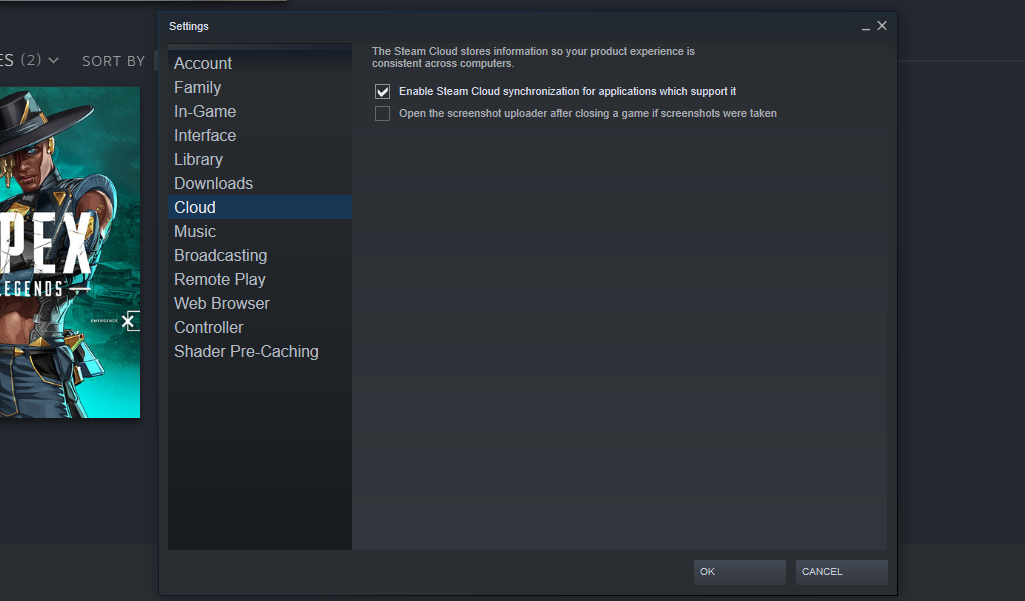
This is a critical question for any gamer, especially those balancing limited gaming time with a desire to keep their progress. The answer largely depends on whether the game supports **Steam Cloud saves**. If a game utilizes Steam Cloud, your save files are automatically uploaded and stored on Steam's servers. When you uninstall the game, these cloud saves remain intact and will be redownloaded if you reinstall the game later.
However, for games that *do not* support Steam Cloud, save files are stored locally on your PC. In these cases, uninstalling the game *might* delete those local save files. It's always best to check the game's Steam store page for the 'Steam Cloud' icon or research online if you're unsure. If a game doesn't have cloud saves and you want to preserve your progress, manually back up your save files before uninstalling. These are usually found in your Documents folder or within the AppData directory.
What are the benefits of regularly deleting old Steam games?
Beyond the obvious benefit of freeing up disk space, regularly deleting old Steam games offers several advantages for the average gamer. First, it can improve your PC's overall performance. While a full hard drive doesn't always directly slow down your games, it can impact system responsiveness and the speed of other applications. Secondly, it declutters your digital library, making it easier to find and launch the games you actually play. Think of it as spring cleaning for your digital life. This focus on current, relevant titles aligns with how many gamers approach their hobby, seeking quick fun or skill-building within their limited time. Lastly, it ensures you have ample room for system updates, software, and those exciting new titles without constant storage anxiety, especially if you're on a budget and can't always upgrade hardware immediately.
How can I reinstall a deleted Steam game without losing progress?
Reinstalling a deleted Steam game is incredibly simple, and if you've been diligent about cloud saves, regaining your progress is usually automatic. Here's the process:
- Open your Steam client and go to your 'Library'.
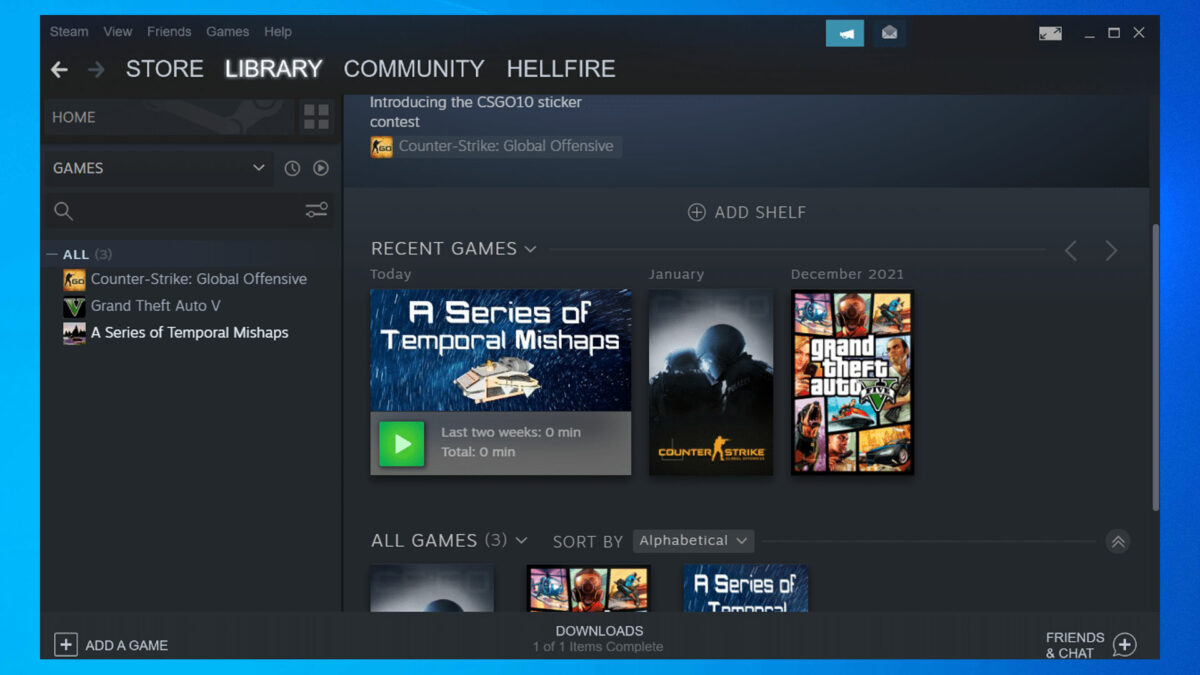
- Locate the game you wish to reinstall. It will still be listed in your library, but without the 'Play' button.
- Click on the game title, and you'll see a prominent 'Install' button. Click it.
- Follow the prompts to select an installation location and confirm.
If the game has Steam Cloud support, once the installation is complete and you launch the game, Steam will automatically download your saved progress from the cloud, allowing you to pick up exactly where you left off. If you manually backed up saves for a non-cloud game, you'll need to copy those files back into the appropriate game save folder after reinstalling. This seamless reinstallation with cloud saves is a huge boon for gamers, allowing them to cycle through large game libraries without fear of losing hard-earned progress.
Are there tools or software to help manage Steam game files beyond the client?
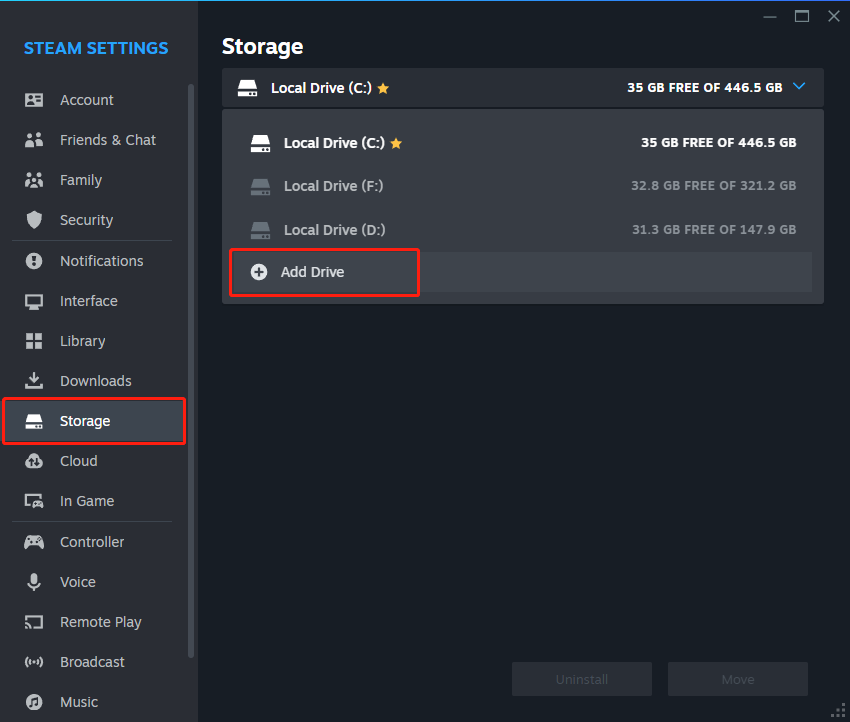
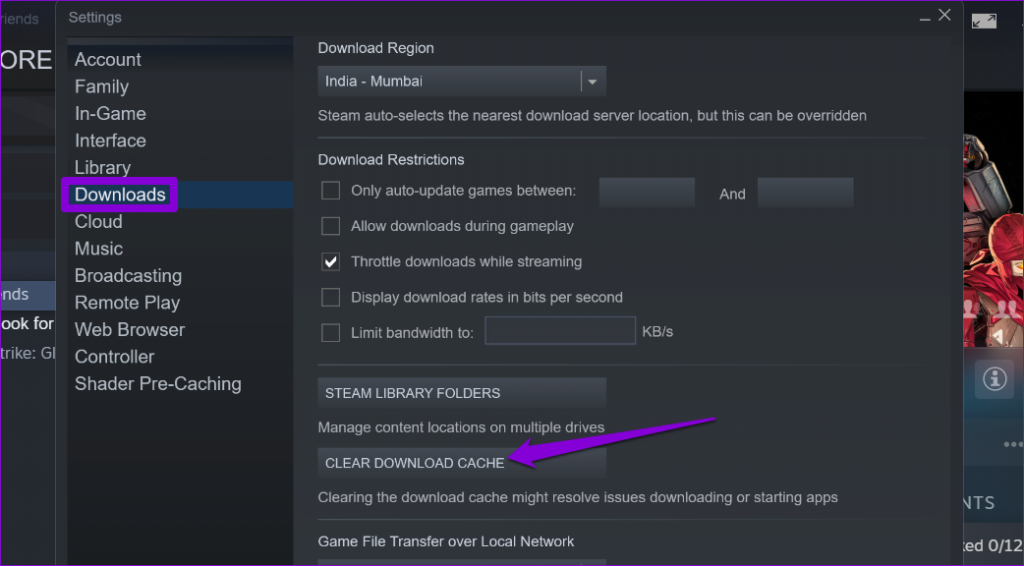
While the Steam client itself provides excellent tools for installing, uninstalling, and even moving games between drives, some gamers look for additional utility. Steam's built-in 'Manage Storage' feature (found under Steam > Settings > Downloads > Steam Library Folders) allows you to see how much space each game takes and easily move them. For those seeking more robust solutions, third-party uninstaller software like Revo Uninstaller or IObit Uninstaller can help. These tools often perform a deeper scan for residual files and registry entries that Steam might miss. However, use such tools with caution and from reputable sources, as improper use can sometimes lead to system instability. For most users, Steam's native capabilities are more than sufficient for effective game file management.
What about deleting game files for non-Steam games or heavily modded games?
Deleting files for non-Steam games typically involves using the Windows 'Add or Remove Programs' feature, found in your system settings. For games installed via other launchers (Epic Games Store, GOG, Xbox App, etc.), each launcher usually has its own built-in uninstaller, similar to Steam's. The key difference is the lack of a centralized library and potentially different save file locations.
For heavily modded games, the situation can be trickier. Uninstalling the base game through Steam will remove the core game files, but many mod managers install mods into separate folders or make direct changes that might not be fully reverted. If you plan to heavily mod a game, consider backing up a clean installation or using a dedicated mod manager that can easily disable or remove mods. When uninstalling a modded game, it's often wise to manually check for lingering mod files in the game's directory after the official uninstall.
How does deleting Steam game files impact my overall PC performance?
Deleting Steam game files can indirectly improve your PC's overall performance, especially if your primary drive (often an SSD) was nearing full capacity. A drive that is too full can lead to slower read/write speeds, which affects not only game loading times but also general system responsiveness, application launches, and even boot times. By freeing up space, you allow your operating system more room to breathe, improving its efficiency. Moreover, for gamers who juggle multiple demanding applications or content creation alongside gaming, having ample free space is crucial for preventing slowdowns and ensuring stable performance. While deleting old games won't magically give you a new graphics card, it's a vital part of good PC maintenance.
What if I accidentally delete the wrong Steam files or encounter issues?
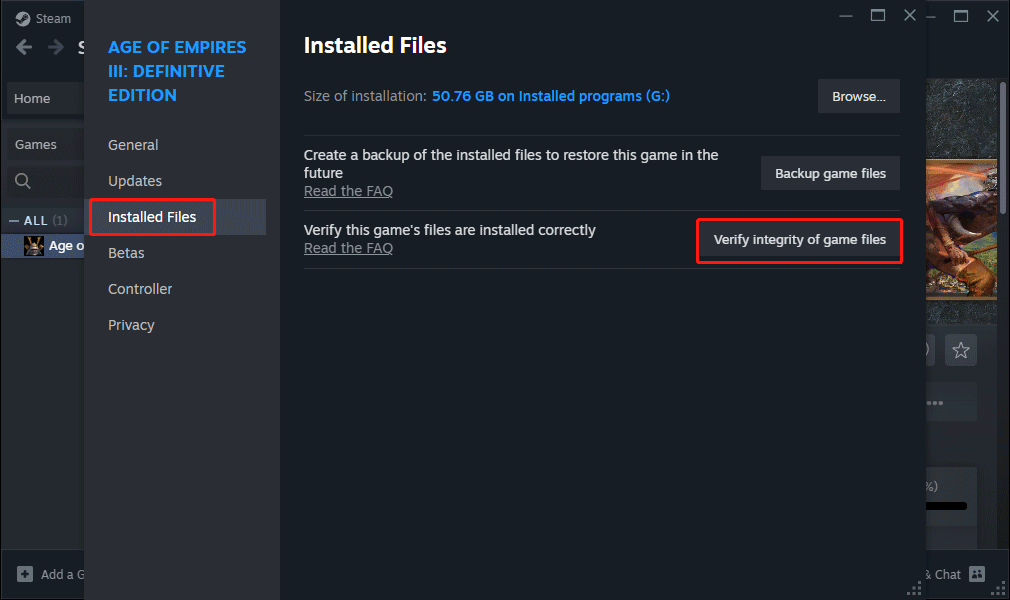
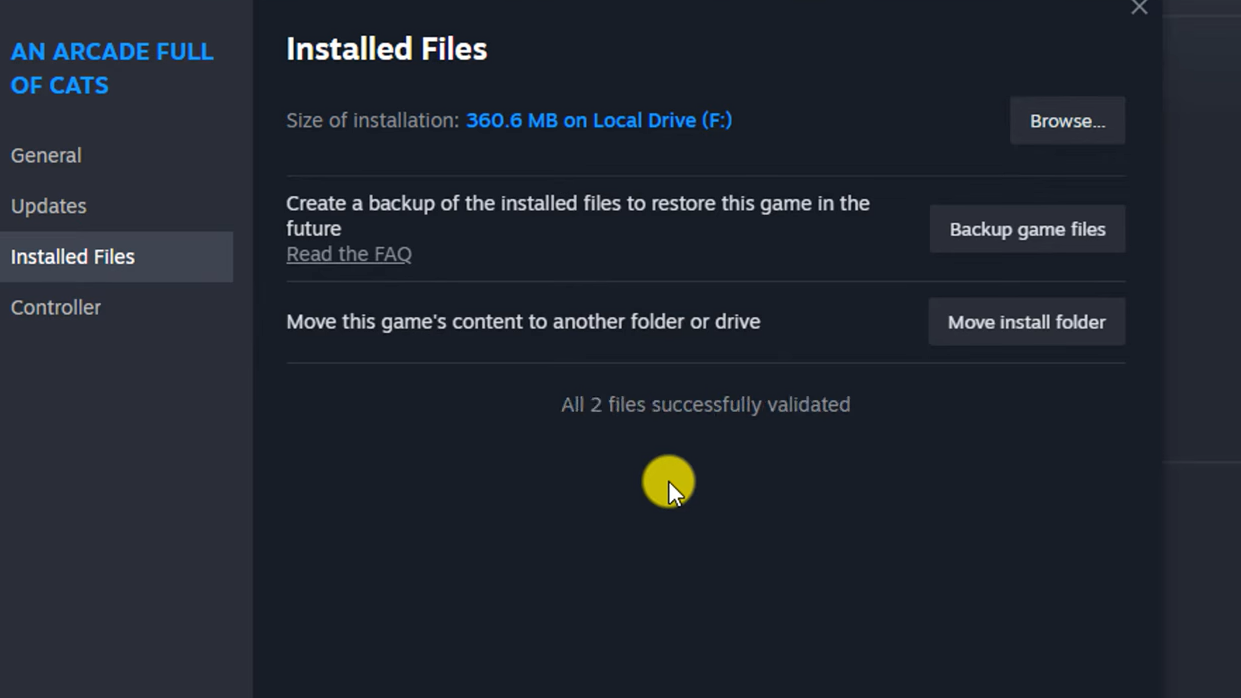
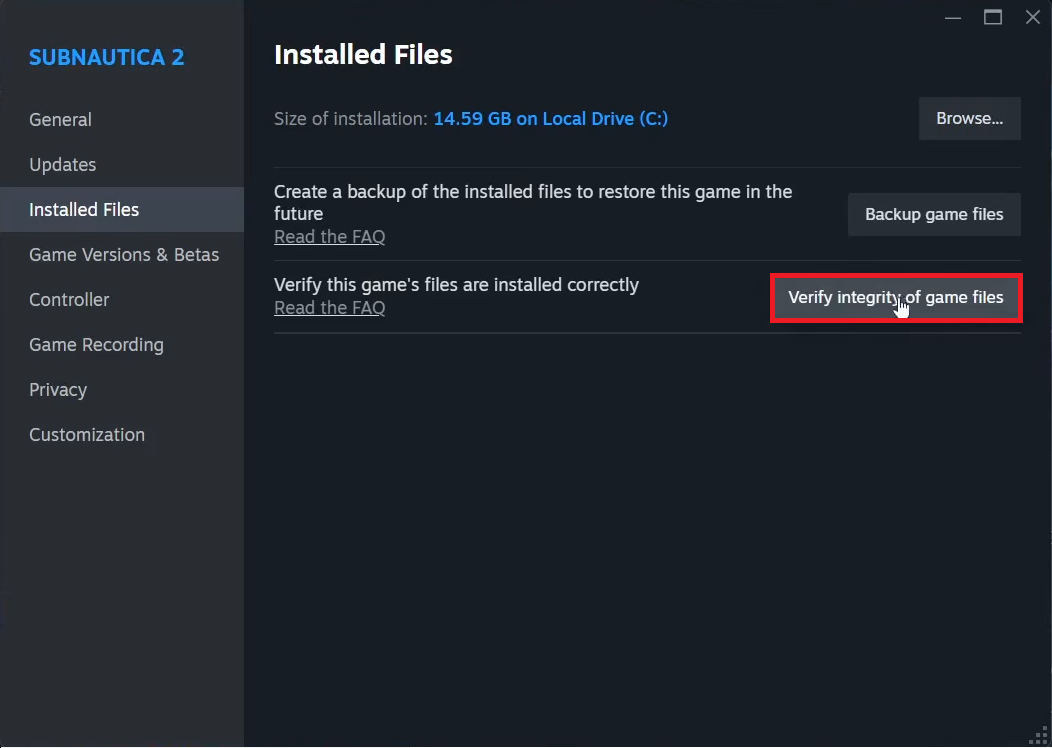
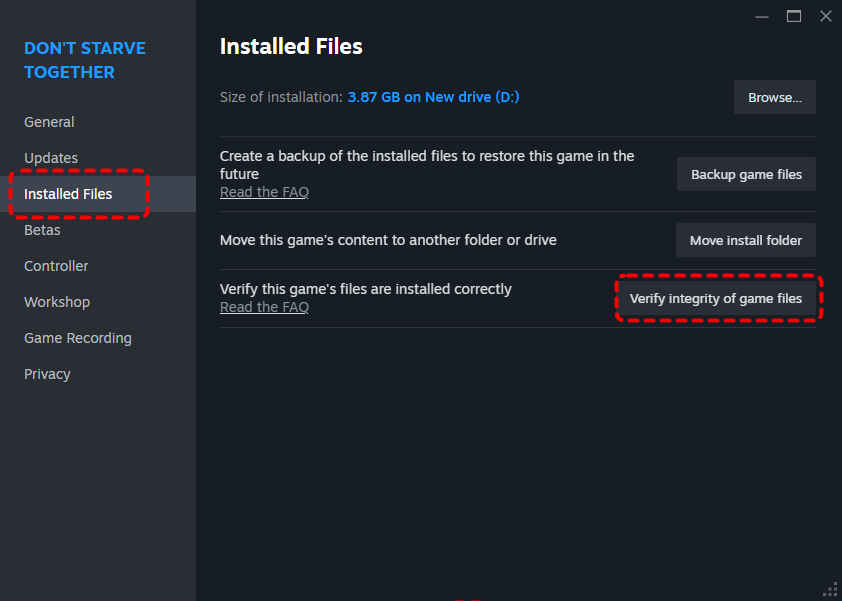
Accidentally deleting the wrong files can be a gamer's nightmare. If you mistakenly delete files crucial to a Steam game, don't panic. The first thing you should try is Steam's 'Verify Integrity of Game Files' feature. Right-click the game in your library, go to 'Properties', then 'Installed Files', and click 'Verify integrity of game files'. Steam will scan your installation, identify any missing or corrupted files, and automatically redownload them. This fixes most common issues. If you deleted an entire game by accident, simply reinstall it as described earlier. For serious system-level issues caused by deleting non-game files, a system restore point or professional help might be needed, but this is rare if you stick to Steam's official uninstall methods and exercise caution during manual cleanups. Remember, always back up critical data!
So, there you have it! Deleting Steam game files is a straightforward process that empowers you to take control of your gaming PC's storage. It's a key skill for any gamer looking to optimize performance, manage their vast digital library, and ensure they always have room for the next big adventure. Keeping your drive clean means faster load times, smoother gameplay, and less frustration – letting you focus on the fun stuff, whether it's conquering a new raid or relaxing with friends in a cozy game. What's your biggest gaming storage challenge? Comment below and share your tips!
FAQ Section
Is it safe to delete Steam game files? Yes, it's completely safe to delete Steam game files using the official Steam client's uninstall feature. This process cleanly removes the game from your system without harming your PC or other Steam files. Always use the built-in uninstall method for best results.
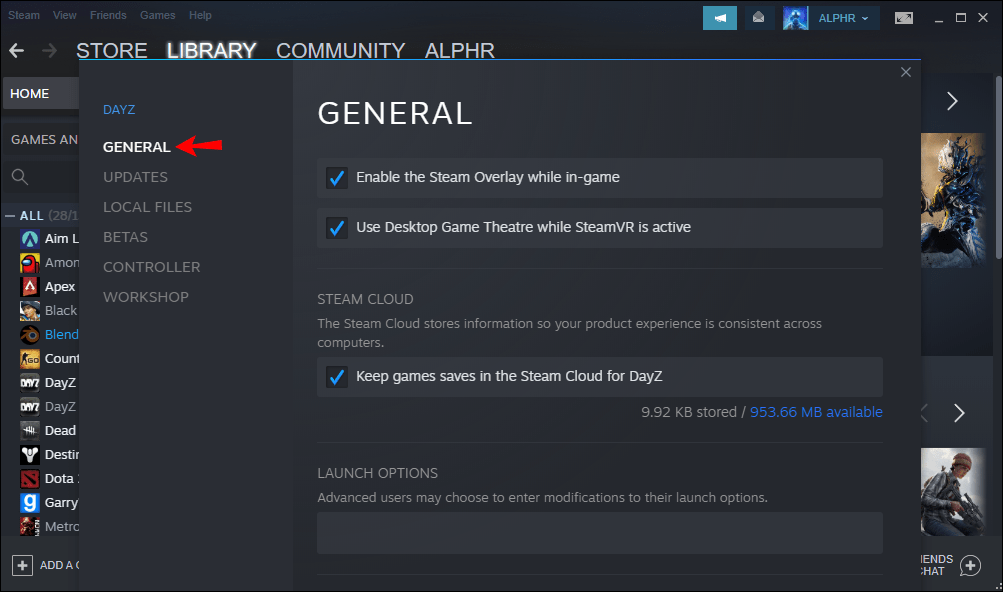
How do I find out if a game has Steam Cloud saves? You can check a game's Steam store page for the 'Steam Cloud' icon or look under the 'Features' section. Alternatively, right-click the game in your library, go to 'Properties', then 'General' tab; if 'Steam Cloud' is listed, it's enabled.
Can I move Steam games to another drive instead of deleting them? Absolutely! Steam has a built-in feature to move games. Go to Steam > Settings > Downloads > Steam Library Folders. From there, you can create new library folders on different drives and then move installed games between them without re-downloading.
What is the difference between deleting 'local content' and uninstalling a game on Steam? On Steam, 'Delete Local Content' is essentially the same as 'Uninstall'. Both actions remove the game's files from your hard drive. The terminology might vary slightly depending on the Steam client version, but the outcome is identical: the game is removed from your PC.
Does deleting a Steam game remove it from my Steam library? No, deleting a Steam game (uninstalling it) only removes the local files from your computer. The game still remains in your Steam library, allowing you to reinstall it anytime you wish, as long as you own the game.
How much space do typical Steam games take up? The space required for Steam games varies wildly, from a few megabytes for older indie titles to over 150-200GB for modern AAA games. The average large title often sits between 50-100GB, making efficient storage management essential for gamers.
Safely delete Steam game files, reclaim disk space, manage cloud saves, uninstall games effectively, understand file retention, optimize PC for gaming, prevent accidental data loss, troubleshoot uninstall issues.
35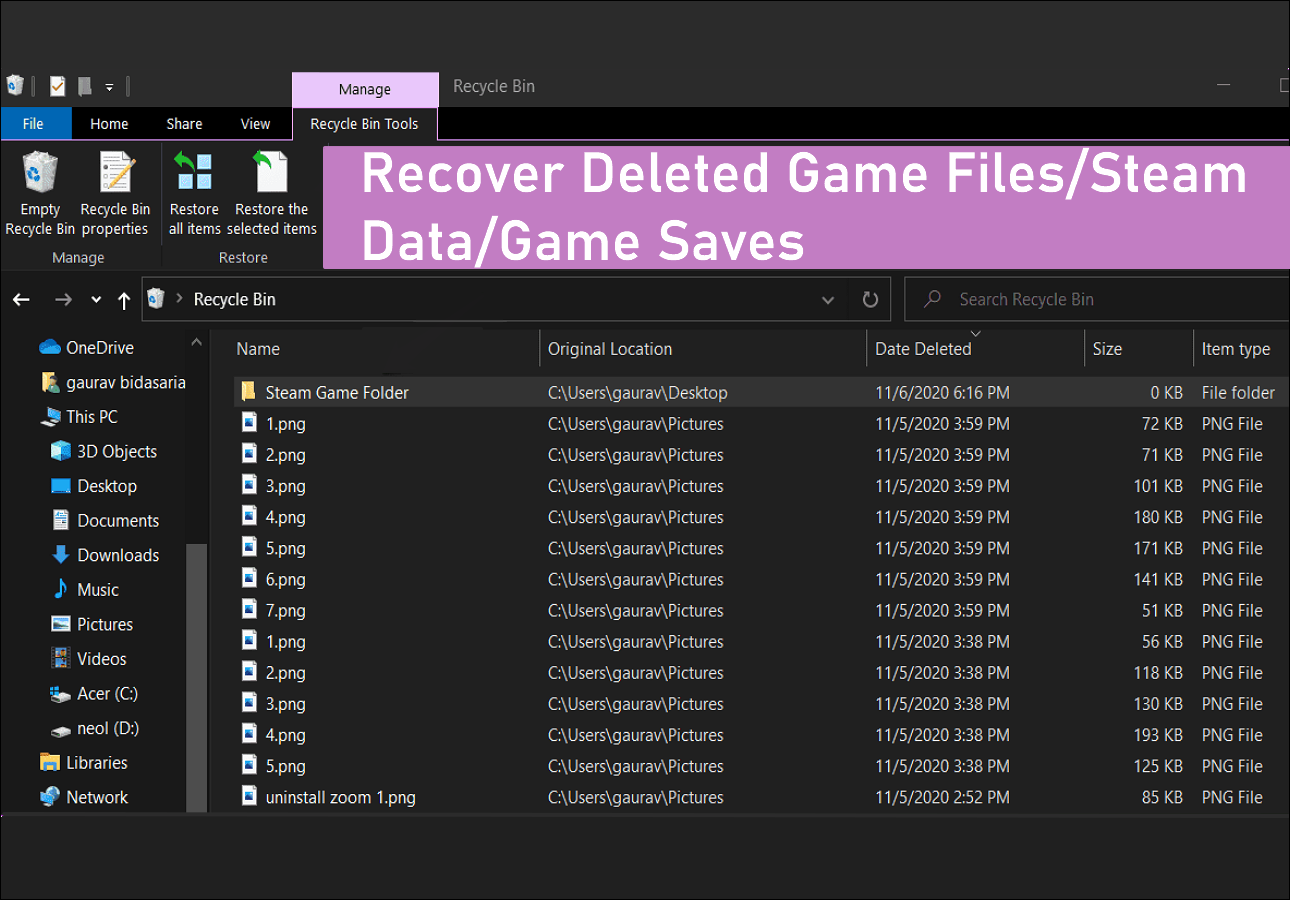
How Can Windows Delete Files Without Recycle Bin Restore Deleted Steam Games On Windows . How To Verify Game Files On Steam An Easy Guide How To Verify Game Files On Steam 2 . Steam Game File On PC What It Does And How To Run It Image 1722 1 . Fix Subnautica 2 Crashing Fatal Errors Not Loading Freezing Or Subnautica 2 Clear Steam Download Cache 1 . Fix Subnautica 2 Crashing Fatal Errors Not Loading Freezing Or Subnautica 2 Verify Integrity Steam 1


6 Ways To Fix The Sorry Something Went Wrong Game Error Verify Integrity Option Sorry Something Went Wrong . How To Fix Assassin S Creed Black Flag Resynced Not Launching On A PC Verify Fix Assassins Creed . How To Fix GameGuard Initialize Error In Helldivers Delete Gameguard Folder . Steam Community Guide How To Access Game Files. How To Check Storage Usage In Steam Steam Storage Select Game



.png)
Remove Games From Steam Library FDOMF . What Happens If I Delete Everything In My Steam Folder Here S The Truth Verify Integrity Of Game Files . How To Fix Corrupt Update Files Error On Steam 6 Easy Methods Verify Integrity Game Files 1536x918 . How To Delete All Game Data On Steam BEST Way YouTube . If I Uninstall Steam What Happens To My Games Verify Integrity Of Game Files(1)



How To Find Steam Game Files On Your PC 2023 YouTube . How To Completely Delete Game From Steam In Windows YouTube . How To Reset Steam Games Erase Game Data Tutorial Tech How 3 Game Properties. Bagaimana Memulihkan Steam Save Files Steam Lost Game Data Hobi How To Recover Steam Save Files 3 . How To Uninstall Delete Games All At Once On STEAM Easy Tutorial


How To Delete All Steam Cloud Saves Screenshot 12 3 . Steam Remove Game History At Clyde Miller Blog . How To Delete Games On Mac Free Up Space In 2026 Howto Delete Steam Games . How To Uninstall Steam Games Completely 3 Methods MiniTool How To Uninstall Steam Games 2 . How To Delete Game Saves From Steam Cloud YouTube


3 Ways To Fix Content File Locked Error In Steam For Windows Guiding Tech Clear Download Cache In Steam 1024x566 . Steam Community Guide How To Delete The Savegame. How To Delete Steam Games Quick Easy Guide V4 460px Delete Steam Games Step 7 . How To Delete Games On Mac Free Up Space In 2026 . How To Uninstall A Game On Steam Mac Detroit Chinatown
Steam Community Guide How To Delete Your Save. How To Uninstall Steam Games And Reinstall Later Steam Games Manually . How To Remove Or Hide A Game From Steam Steam4 . Is There Any Way To Restore A Modded Game To Vanilla Through Steam VSMSP Steam Backup Game Files 1200x675 . Spo Eczno Steam Poradnik How To Transfer Steam Game Files And