Are you a dedicated gamer juggling work family and limited play time Discover how to organize games steam library efficiently so you can jump straight into the action without endless scrolling Our comprehensive guide offers practical actionable tips tailored for the modern US gamer who values relaxation fun and optimized performance With average gamers dedicating over 10 hours a week to their passion a streamlined Steam library is no longer a luxury but a necessity Learn the best strategies for creating custom categories smart tags and utilizing Steam's built-in features to make your game collection work for you This informational resource will help you cut down on decision fatigue enhance your gaming sessions and rediscover forgotten gems ensuring every moment you spend gaming is pure enjoyment Stop wasting precious minutes searching and start playing more of what you love and less of what you ignore.
Q: Why is organizing my Steam library so important for today's busy gamer?
A: For the modern gamer, who often juggles work, family, and limited free time, an organized Steam library is crucial for maximizing enjoyment and efficiency. It eliminates decision fatigue, letting you jump straight into gaming without endless scrolling. With the average US gamer dedicating over 10 hours a week, every minute counts, and a well-sorted library ensures you spend that time playing, not searching. It also helps you rediscover forgotten titles and manage your backlog more effectively.
Q: What are the best ways to categorize my Steam games using built-in features?
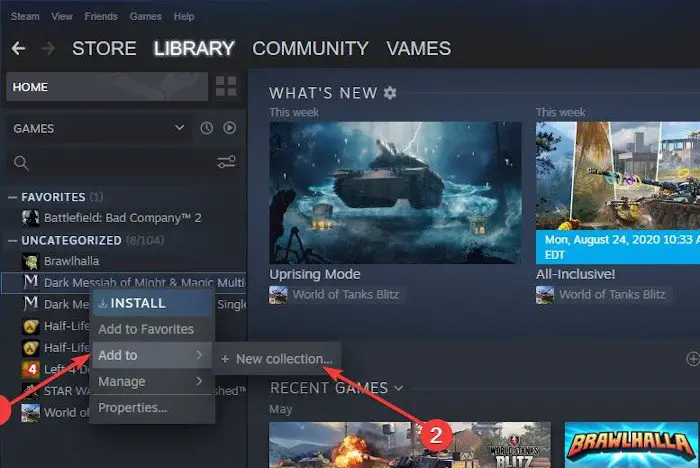
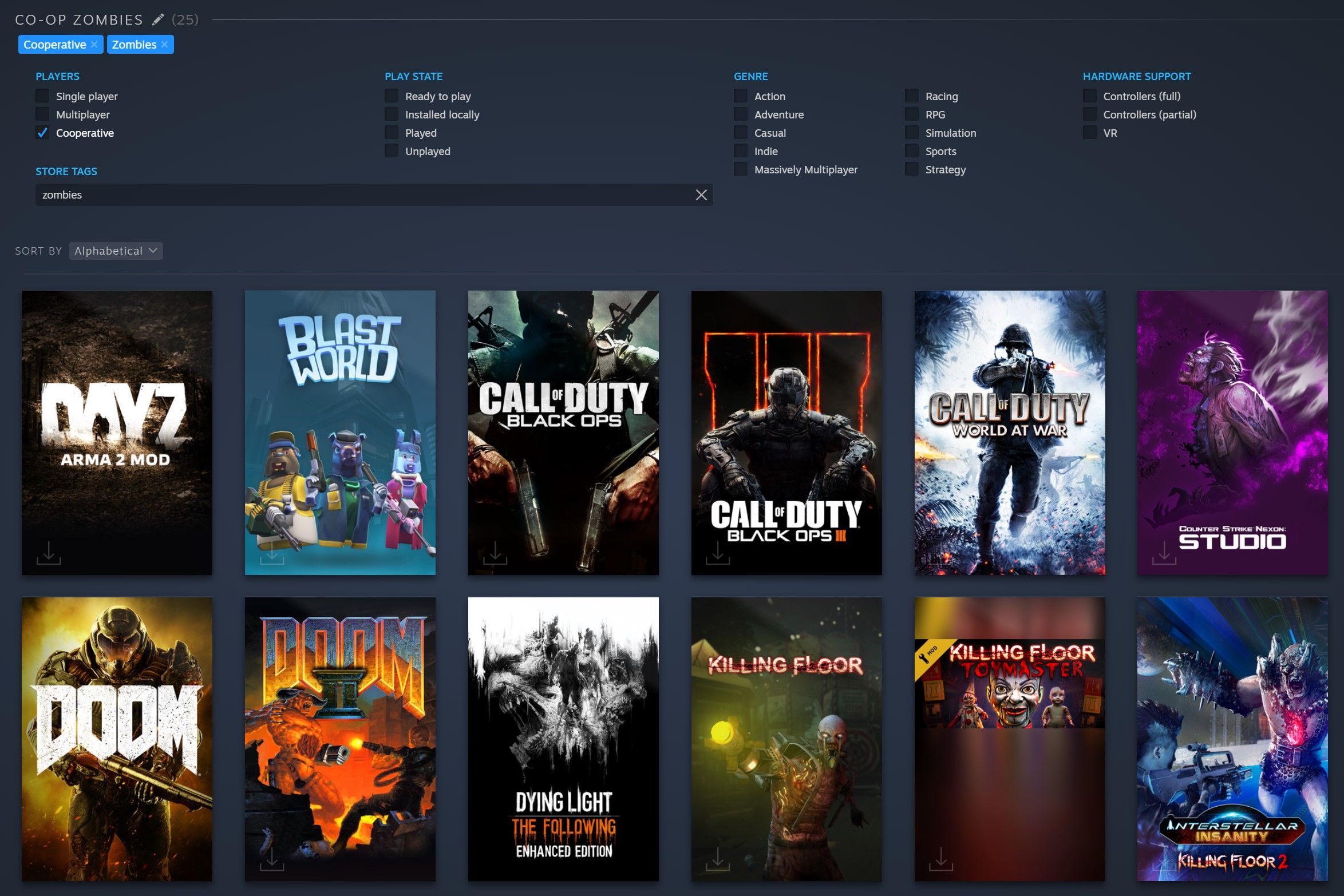
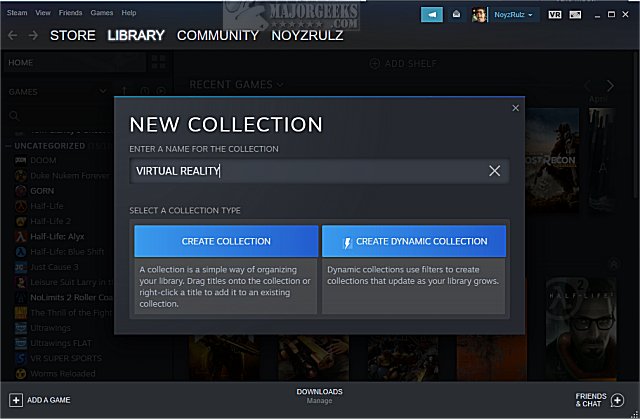
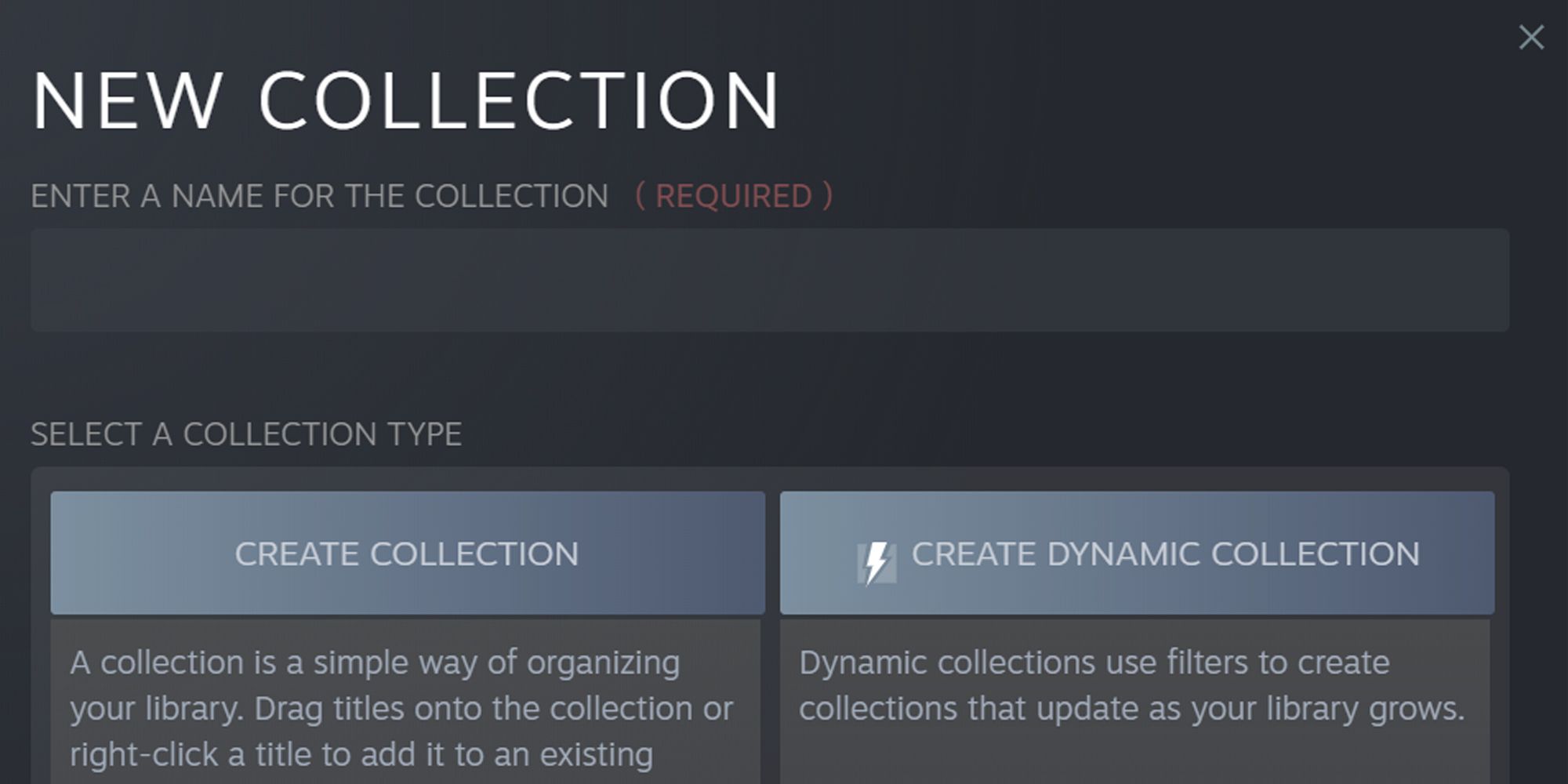
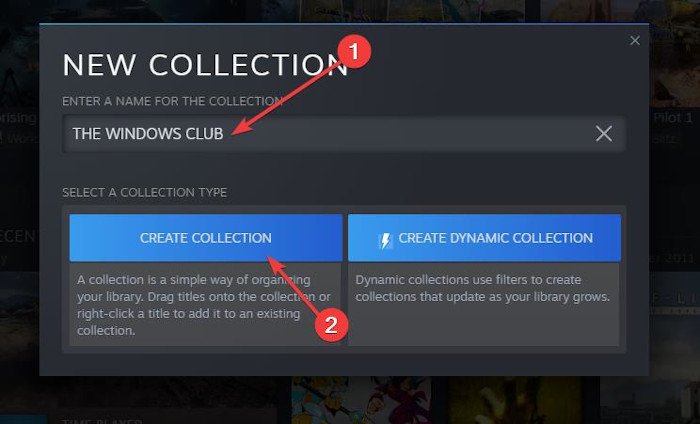
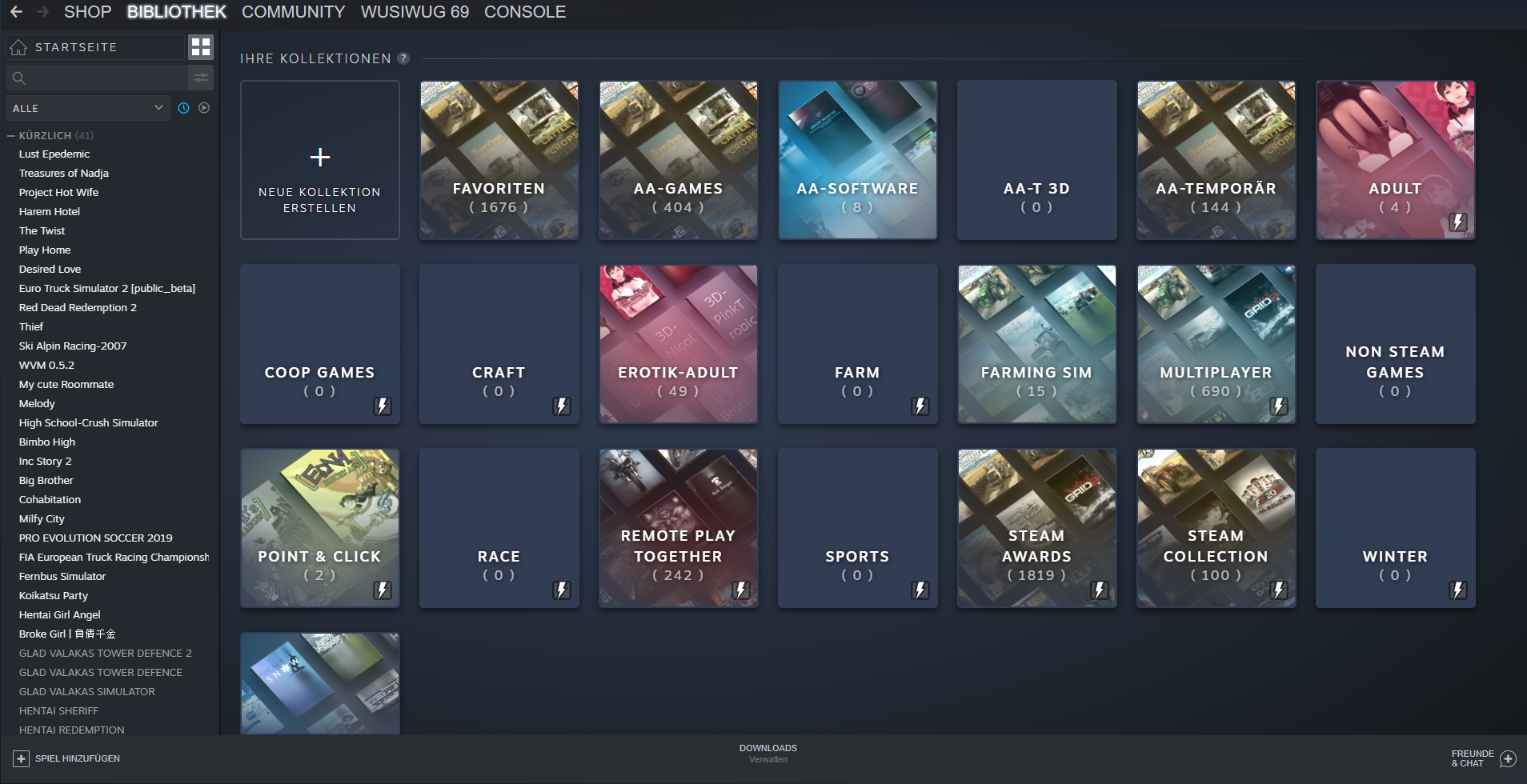
A: Steam offers robust built-in features for categorization, primarily through its Collections system. You can create manual collections for specific themes like "RPG Gems" or "Quick Indie Blasts." More powerfully, dynamic collections allow you to set rules (e.g., genre, developer, tags, controller support) that automatically group games. Leveraging both methods lets you tailor your library to your unique playing habits, making game selection intuitive and fast.
Q: How can I use Steam's "Add to Favorites" feature effectively?
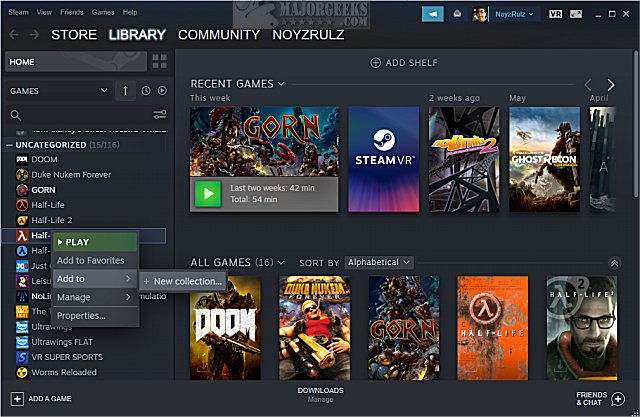
A: The "Add to Favorites" feature is perfect for quick access to your most-played or currently focused games. Simply right-click a game and select "Add to Favorites." This creates a dedicated section at the top of your library, ensuring your go-to titles are always just a click away. It's ideal for games you play daily, your current obsession, or key multiplayer titles you enjoy with friends, helping you get into the action faster.
Q: Are there smart tagging strategies for organizing my diverse game collection?
A: Smart tagging is about going beyond basic genres. Consider tags that reflect your *intent* or *mood* for playing. Examples include "Stress Relievers," "After Work Chill," "Cozy Gaming," "Competitive Multiplayer," or "Story-Rich Weekends." You can add multiple custom tags to a single game, allowing it to appear in various dynamic collections. This personalized approach makes finding the perfect game for any moment incredibly efficient.
Q: What's the trick to managing my ever-growing game backlog on Steam?
A: The trick to managing your backlog is segmenting it. Create collections like "Backlog - High Priority," "Backlog - Explore Later," and "Completed Games." As you finish a title, move it to "Completed." For new purchases, decide immediately if it's a "Play Now" or "Future Consideration." This mental and digital organization reduces overwhelm, helps you appreciate your gaming progress, and allows you to make informed choices about your next adventure, especially for busy adults with limited gaming time.
Q: How do dynamic collections save time for busy US gamers?
A: Dynamic collections save busy US gamers immense time by automating library organization. Once you set a rule—for instance, "Show all games tagged 'Action' with 'Controller Support'"—the collection updates automatically as you acquire new titles. This means no manual sorting for every new game. It's incredibly efficient for players who want to quickly find games matching specific criteria without constant curation, allowing more time for actual gameplay, which is essential for stress relief and fun.
Q: Can I hide games I don't want to see without uninstalling them?
A: Yes, Steam's "Hide Game" feature is perfect for decluttering your library without uninstalling. Right-click any game, go to "Manage," and select "Hide This Game." It will disappear from your main library view but remains accessible via a "Hidden" filter. This is ideal for demos, games you tried and disliked, or titles you're taking a break from, ensuring your visible library is only filled with games you genuinely want to interact with.
For many US gamers, life is a delicate balance. You're part of the estimated 87% who game regularly, often clocking in 10+ hours a week, but between work, family, and other commitments, every minute counts. You open Steam, ready to unwind, socialize, or dive into a new challenge, only to be met by a sprawling, disorganized library of hundreds, even thousands, of titles. That moment of choice quickly turns into decision fatigue, and suddenly, your precious gaming window is shrinking before you've even launched a game. Sound familiar? You're not alone. In 2026, with mobile and PC/console cross-play blurring lines and new games dropping constantly, keeping your digital collection tidy is more crucial than ever. This comprehensive guide on how to organize games Steam library effectively is designed for you, the busy adult gamer who wants to maximize fun and minimize fuss. We'll cut through the clutter, offering practical, no-nonsense strategies to transform your Steam library from a chaotic digital hoard into a perfectly curated gaming hub. Get ready to rediscover your love for gaming, optimize your time, and spend less time searching, more time playing.
Why Should I Bother Organizing My Steam Games Library?
Organizing your Steam library offers significant benefits, especially for gamers balancing life's demands. It drastically cuts down on the time you spend scrolling and deciding what to play, transforming potential frustration into instant gratification. A well-structured library helps you easily find games suited for specific moods or time constraints, whether you have 30 minutes for a quick indie or a whole evening for a deep RPG. Furthermore, it allows you to rediscover forgotten gems, making the most of the games you've already purchased. It's about optimizing your playtime and ensuring every gaming session starts with excitement, not exasperation, a crucial factor for the average gamer aged 36 balancing their passion with daily responsibilities.
What Are the Main Tools Steam Provides for Organization?
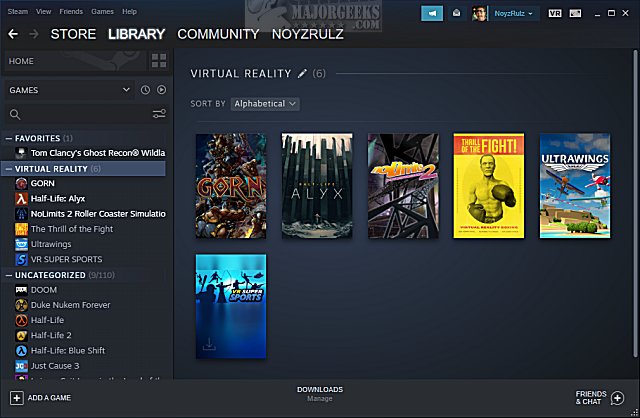
Steam offers several powerful built-in tools to help you keep your library in check. The primary methods involve using Categories, often referred to as Collections, and the Favorites system. Collections allow you to group games manually or dynamically based on criteria like genre, developer, or even how you feel about them (e.g., 'Completed,' 'Backlog,' 'Multiplayer Fun'). The Favorites option is perfect for highlighting your go-to titles for quick access, ensuring your most beloved games are always front and center. While Steam automatically categorizes games by genre, its custom collection features are where the real power lies for personalized, efficient organization.
How Do I Create and Manage Dynamic Collections in Steam?
Dynamic Collections are a game-changer for automatic organization, especially for those with vast libraries and limited time. To create one, navigate to your Steam Library, click the 'Collections' tab on the left sidebar, and then 'Create Dynamic Collection.' Here, you can set rules based on various game properties like genre, tags, developer, number of players, or even whether a game has controller support. For instance, you could create a 'Quick Co-op Games' collection that automatically includes all local multiplayer, co-op, or party games you own. This feature continuously updates as you add new games, keeping your library tidy with minimal effort and reflecting popular social gaming trends in 2026.
Can I Use Custom Tags to Improve My Steam Game Organization?
Absolutely, custom tags are an incredibly flexible way to organize beyond genres, allowing for truly personalized categorization. While Steam automatically applies community tags, you can create your own private tags by using collection names as a tagging system to personalize your collections further. Think about tags like 'Stress Relievers,' 'After Work Grinders,' 'Story-Rich Weekends,' or 'Games to Play with Friends.' You can add multiple collections/tags to a single game, allowing it to appear in various custom collections. To effectively 'tag' a game, right-click it in your library, select 'Manage,' then 'Add to/Remove from Categories,' and either assign it to an existing collection or create a new one, thereby using the collection name as your custom tag.
What's the Best Strategy for Organizing My Backlog and Completed Games?
Managing your backlog and completed games is key to a healthy gaming mindset, preventing that feeling of being overwhelmed by choice. Create dedicated collections like 'Backlog - Play Next,' 'Backlog - Future Consideration,' 'Completed Games,' and 'Revisit Later.' For your backlog, prioritize games based on recent purchases, trending buzz, or personal interest, especially if you have limited time. Regularly review your 'Completed Games' collection; it's satisfying to see your achievements and can help you decide what to recommend to friends or what to reinstall for a nostalgic run. This strategy helps busy gamers, who make up a significant portion of the player base (average age ~36), feel more in control of their gaming journey and value their gaming investments.
How Can I Quickly Find Games for Short Play Sessions or Social Play?
For gamers with limited time, efficiency is paramount. Create collections specifically for 'Quick Blasts (Under 30 Mins),' 'Lunch Break Gaming,' or 'Social Co-op Fun.' Use dynamic collections with tags like 'Indie,' 'Puzzle,' or 'Arcade' for quick blasts. For social play, tag games with 'Party Game,' 'Local Co-op,' or 'Online Multiplayer with Friends.' Many gamers in 2026 value social gaming, often connecting on platforms like Discord or enjoying casual cross-play. Having these categories ready means less time searching and more time enjoying those precious moments with friends, a key aspect for the 60% of gamers who appreciate social interaction and community.
Are There Any Third-Party Tools That Can Help Organize My Steam Library?
While Steam's built-in tools are robust and continuously improving, some third-party applications can offer additional functionality for power users seeking even more control. Tools like Playnite or LaunchBox provide unified launchers for all your games across different platforms, including Steam, Epic Games, GOG, and even emulators. They often come with advanced tagging, filtering, and customization options beyond what Steam offers natively, letting you truly craft a bespoke gaming hub. However, always exercise caution when using third-party software and ensure they are from reputable sources to protect your account security and prevent any potential issues.
How Do I Use the Hidden Games Feature to Declutter My Library?
The 'Hide Game' feature is an excellent and often underutilized tool for decluttering games you no longer play, demo versions, or titles you simply don't want to see but don't wish to uninstall. To hide a game, simply right-click it in your library, select 'Manage,' then 'Hide This Game.' The game will disappear from your main library view but will still be accessible under a 'Hidden' filter in your library's sidebar. This is particularly useful for those free-to-play titles you tried once and never touched again, or older games that no longer align with your current interests, helping you focus on your active, relevant gaming collection and reducing visual noise.
How Can I Keep My Organized Steam Library Maintained Over Time?
Maintaining an organized library requires a little ongoing effort, but it's much easier than a full overhaul. Make it a habit to categorize new games as soon as you install or purchase them. Regularly review your collections, perhaps once a month or after a major Steam sale, to ensure they still make sense and reflect your current gaming interests. As your gaming preferences evolve, some categories might become obsolete, while new ones might emerge. Consider moving completed games to a 'Finished' collection and regularly pruning your 'Backlog.' This proactive approach ensures your Steam library remains a functional and enjoyable space, reflecting your current gaming life and interests without becoming overwhelming, especially important for those balancing gaming with real-world responsibilities.
What Role Do Steam's User-Defined Tags Play in Modern Game Discovery?
Steam's community-driven user tags are incredibly powerful for both organization and discovery, offering a collective intelligence for game classification. While not directly 'organizing' your own library in the same way collections do, understanding and leveraging them can help you find games that fit your specific organizational needs or gaming mood. When exploring new titles, look at community tags to quickly identify genres, mechanics, or themes that resonate with your existing collections. For example, if you have a 'Cozy Games' collection, looking for games tagged 'Relaxing,' 'Exploration,' or 'Crafting' can help you expand it, aligning with the current trend of social and cozy games. This communal tagging reflects current trends and helps you stay current without falling for pure hype, aligning with what the modern gamer values: genuine enjoyment and relevant experiences.
Organizing your Steam library might seem like another chore, but it's an investment in your gaming enjoyment. By leveraging Steam's powerful categorization and tagging features, you can transform a cluttered collection into a perfectly curated hub tailored to your lifestyle. No more endless scrolling; just quick, satisfying access to the games you love, when you want them. This frees up precious minutes, allowing you to focus on relaxation, skill-building, or connecting with friends. Take control of your digital games, rediscover old favorites, and make every gaming session count. What's your biggest gaming challenge when it comes to finding the right game to play? Share your tips or struggles in the comments below!
What is a Steam Collection?
A Steam Collection is a way to group your games into custom categories, helping you organize your library. You can create manual collections by dragging and dropping games or dynamic collections that automatically update based on rules like genre or tags.
How do I make a game a Favorite on Steam?
To make a game a Favorite, right-click on it in your Steam Library and select "Add to Favorites." This places the game in a dedicated "Favorites" section at the top of your library for quick access.
Can I organize games by how long I've played them?
Steam doesn't natively allow direct sorting by playtime in collections, but you can sort your main library view by playtime. To include playtime as a collection rule, you'd typically need a third-party tool or manually manage a collection based on your play statistics.
Is it possible to share my Steam game organization with friends?
No, Steam game organization, including custom collections and tags, is personal to your account and cannot be directly shared with friends or other users.
What's the difference between Steam categories and tags?
In Steam, "Categories" (now often called "Collections") are what you use to group games in your library. "Tags" are descriptive keywords applied to games (either by the community or privately by you) that can then be used as criteria for creating dynamic collections.
Does organizing my Steam library improve game performance?
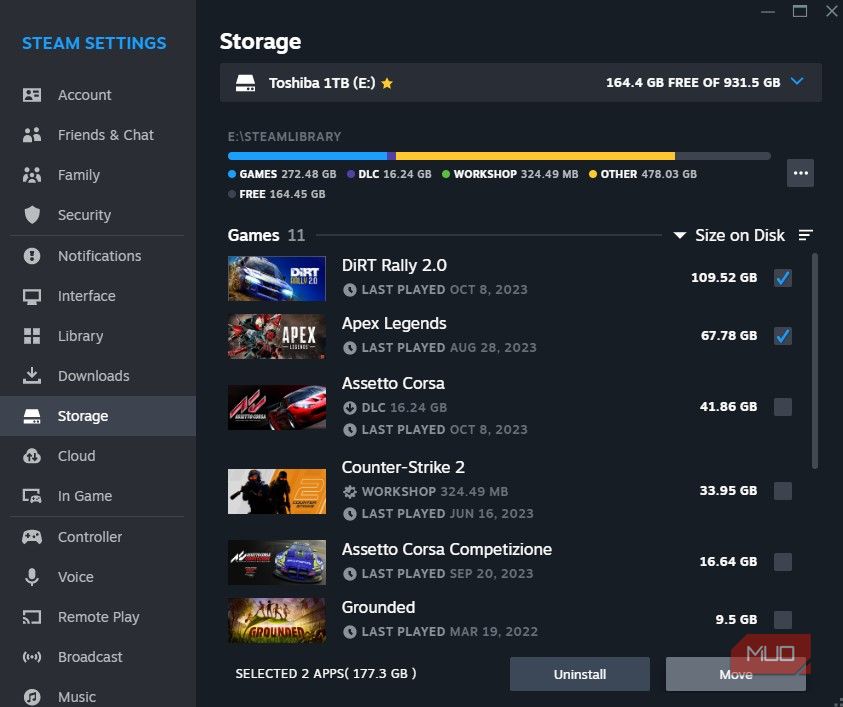
Organizing your Steam library primarily improves user experience and game accessibility, not game performance directly. However, by making it easier to find and manage games, you might be more inclined to uninstall unplayed titles, freeing up disk space which can indirectly benefit overall system performance.
Organize Steam games effectively to save time and enhance your gaming experience. Utilize Steam's categorization and tagging features for quick access. Streamline your library to reduce decision fatigue and rediscover forgotten titles. Customize your collection to fit your gaming style whether for quick sessions or deep dives. Improve overall game management and satisfaction.
35
How To Organize Your Steam Games Steam Library Collection YouTube . How To Best Organize Your Steam Games Steam Library Collection FAQ . How To Use Steam S Storage Manager To Quickly Manage Your Games Selecting Games In Steam Library Folder . How To Organize Steam Games Using Categories Steam Categories . January 2026 S Top Selling New Steam Games Revealed 08418405 04a2 47eb B48b 1500x843
The Most Played Games On Steam For 2026 So Far Cheat Code Central Most Played Games Steam 2026 2048x1167 . How To Categorize Your Steam Games With Collections MajorGeeks 3238 How To Categorize Your Steam Games In Collections 3 . Steam Guide Tips And Tricks For Getting The Most Out Of Steam PC Gamer 1200 80 . How To Sort Your Games Into Dynamic Collection On Steam Steam Co Op Zombies . How To Organize Your Steam Library Guide Collections Icon Size



How To Categorize Your Steam Games With Collections MajorGeeks 3236 How To Categorize Your Steam Games In Collections 1 . Here S How To Organize All The Different PC Launchers Into Steam Organize Steam Library 2 . 5 Fun Ways To Organize Your Steam Deck Games With Collections YouTube . How To Categorize Your Steam Games With Collections MajorGeeks 3237 How To Categorize Your Steam Games In Collections 2 . Add Games To Categories Folders In Steam How To Organise Your Steam


Creative Ways To Organize Your Steam Library Tips LevelUpTalk Organized Steam Library 03 23 2026 A95c5e2d 7b91 47af A839. How To Organize Your Steam Games Easy Method YouTube . How To Sort Your Games Into Dynamic Collection On Steam Steam New Collection . Steam Next Fest February 2026 The 22 Best Game Demos The Best Steam Next Fest Demos 2026 The Punished Backlog Order 2 300x162 . How To Share Games On Steam 2026 Steam Family Sharing Easy Method



How To Make Steam Collection To Organize Games Easy Way YouTube . How To Sort Your Games Into Dynamic Collection On Steam Steam Dynamic Collection . How To Organize Steam Games Using Categories Steam Create Category . How I Organize My Steam Deck Games YouTube . How To Organize Steam Library Quick Easy YouTube




How To Add A Game To Your Steam Library 2026 Step By Step Guide . The Top 2026 Games By Steam Wishlists By Rhys Elliott Fc2aa87f 2277 4294 9e7b 1920x1080 . Steam How To Organize Your Games YouTube . How To Share Games On Steam 2026 Steam Family YouTube . How To Set Game Launch Options On Steam 2026 Step By Step YouTube


Steam Community Guide How Do You Organize Your New Steam Library. Organize Your Steam Library In 10 Minutes Ultimate Organizing Guide . Steam Sale 2026 Key Dates You Need To Know LevelUpTalk Steam Sale Schedule 2026 08 27 2025 7c35051e 2c22 4093 96f1. Different Ways To Organize Steam Games In Your Library YouTube . How To Use Steam S Storage Manager To Quickly Manage Your Games Moving Steam Games To Different Steam Library Folder