Are you asking yourself do you still love the game you once cherished? Many gamers experience phases where their passion wanes. This comprehensive guide explores common reasons behind gaming burnout, from performance issues like FPS drops and stuttering to feeling disconnected from a game's community. We delve into how optimizing your settings, understanding core game mechanics, and finding new strategies can reignite that spark. Discover ways to combat lag, update crucial drivers, and explore diverse game genres like FPS, MOBA, RPG, Battle Royale, Indie, MMO, and Strategy to keep your gaming experience fresh and exciting. This article provides actionable tips and insights to help you rediscover the joy and challenge that made you fall in love with gaming in the first place, ensuring your journey through virtual worlds remains engaging and fulfilling. Join us to revitalize your play, optimize your setup, and truly remember why you adore the digital realm.
Related games- Guide to ENHYPEN Roblox Song ID Codes: Pro Gamer Music Guide
- GTAO Snow Guide: How to Conquer Winter in Los Santos
- How to Master Roblox Chatbox Scripts 2026 Guide
- Prime Football Tonight Guide Your Game Day Check
do you love the game FAQ 2026 - 50+ Most Asked Questions Answered (Tips, Trick, Guide, How to, Bugs, Builds, Endgame)
Welcome to the ultimate living FAQ for "do you love the game," updated for the latest 2026 patches and trends! This comprehensive guide addresses over 50 of the most pressing questions gamers are asking right now. Whether you're a beginner struggling with performance, an intermediate player seeking optimization tips, or a seasoned veteran diving into endgame strategies and bug fixes, we've got you covered. Our aim is to provide clear, concise answers, share expert tricks, and guide you through common issues that might be dimming your gaming passion. We will explore everything from essential settings and build advice to community engagement and future game developments. Get ready to rekindle your love for gaming and elevate your play to new heights with these up-to-date insights and practical solutions!
Why am I losing interest in my favorite game?
You might be experiencing burnout from repetitive gameplay or feeling overwhelmed by a challenging grind. Technical issues like lag or FPS drops also severely detract from enjoyment, making it hard to appreciate the game's core. Exploring new content or taking a break can often help.
How can I boost my game's FPS and reduce stuttering?
Optimizing in-game settings by lowering demanding options like shadows and anti-aliasing is crucial. Ensure your graphics drivers are updated to the latest version and consider closing unnecessary background applications to free up system resources. Checking for game-specific patches also helps.
What causes high ping and how do I fix it?
High ping typically results from a slow or unstable internet connection, server distance, or network congestion. To fix it, use a wired Ethernet connection, close bandwidth-heavy background apps, and ensure your router firmware is current. Consider selecting closer game servers if available.
Are gaming peripherals really important for enjoyment?
Yes, quality gaming peripherals significantly enhance enjoyment and performance. A high refresh rate monitor provides smoother visuals, while a responsive mouse and comfortable keyboard improve control and reduce fatigue. These tools deepen immersion and make interactions more precise and satisfying.
What are common myths about game performance optimization?
One common myth is that more RAM automatically equates to better performance; while important, excessive RAM beyond game needs doesn't yield further benefits. Another myth is that all background apps must be closed, but only resource-intensive ones truly impact gameplay. System cleanliness matters more.
How do I find a good community or guild in an online game?
Look for official game forums, Discord servers, or Reddit communities dedicated to your game. Many games also have in-game guild finders or recruitment channels. Engaging with like-minded players enhances social interaction and can reignite your passion for the game.
What's the best way to handle game updates and patches?
Always ensure you have enough disk space before an update. If issues arise, verify game files through your launcher (Steam, Epic, etc.). Read patch notes to understand changes and adjust your playstyle or builds accordingly. Sometimes, a full reinstall is needed for stubborn bugs.
Beginner Questions
How do I know if I'm experiencing gaming burnout?
Gaming burnout often manifests as a lack of excitement for playing, feeling like a chore, or consistently finding yourself easily frustrated. You might also notice a decline in performance or a preference for other activities over gaming.
What are the simplest ways to improve game performance immediately?
Start by lowering graphical settings like shadows, reflections, and anti-aliasing in your game's options menu. Ensure your resolution matches your monitor's native setting or is slightly lower. Close any unnecessary programs running in the background.
Should I play with V-Sync on or off?
Generally, for competitive games, play with V-Sync off to minimize input lag, tolerating screen tearing. For single-player, visually driven games, turn V-Sync on if screen tearing is distracting and your framerate consistently exceeds your monitor's refresh rate.
What is a good starting point for customizing my in-game controls?
Begin by ensuring core movement (WASD) and primary actions are comfortable. Remap frequently used abilities or items to easily accessible keys around your movement hand, perhaps to mouse side buttons or convenient keyboard shortcuts.
Builds & Classes
How do I choose the best class for my playstyle?
Consider whether you prefer melee, ranged, or magic combat, and if you enjoy supporting allies, tanking damage, or dishing out high damage. Research class abilities and community guides for recommended roles to find your ideal fit.
What makes a game build 'meta' in 2026?
A 'meta' build in 2026 combines optimal stat allocation, synergistic gear, and effective ability rotations that exploit the current game patch's strengths. It often relies on community discovery and high-level player testing for maximum efficiency in competitive play.
Is it better to copy a pro player's build or create my own?
Initially, copying a pro's build provides a strong foundation and understanding of effective strategies. However, adapting or creating your own build eventually allows for personalization, deeper understanding of game mechanics, and unique tactical advantages.
How do I adapt my build after a major game patch?
Read the patch notes thoroughly to identify nerfs or buffs to your current abilities or gear. Look at community discussions and theorycrafting for updated 'meta' builds. Be open to re-speccing points or changing equipment to remain competitive and effective.
Multiplayer Issues
Why do I keep disconnecting from online games?
Frequent disconnections often stem from an unstable internet connection, firewall restrictions, or server-side issues. Check your network stability, ensure game ports are open, and verify if the game servers are experiencing outages.
How do I deal with toxic players in online multiplayer?
The best approach is often to mute, block, or report toxic players immediately. Do not engage with their negativity, as it only fuels their behavior. Focus on your own game and communicate positively with teammates to maintain a good experience.
Myth vs Reality: Does a VPN always improve my ping?
Reality: A VPN usually increases ping because your traffic takes an extra hop through the VPN server. Myth: A VPN might only improve ping if your ISP is throttling your connection or routing you inefficiently to the game server, which is rare.
What are common issues with cross-play in 2026?
Common cross-play issues in 2026 include platform-specific bugs, differing input methods (controller vs. keyboard/mouse) creating balance concerns, and fragmented communities due to platform-exclusive features. Server stability can also vary between connected platforms.
Endgame Grind
How do I stay motivated during an extensive endgame grind?
Set small, achievable goals, play with friends, and mix up your activities to avoid monotony. Focus on rewards you genuinely desire, like cosmetic items or powerful gear, and celebrate small victories along the way to maintain motivation.
What are the signs of a healthy endgame in an MMO?
A healthy MMO endgame offers diverse activities like raids, dungeons, PvP, crafting, and social events. It provides clear progression paths, consistent content updates, and fosters a strong sense of community, ensuring long-term engagement for players.
Myth vs Reality: Is endgame content always just repetitive farming?
Myth: While some farming is often involved, well-designed endgame content offers varied challenges like complex boss mechanics, strategic PvP, or narrative-driven quest lines. Reality: If it feels *only* like repetitive farming, the endgame design might be lacking variety.
How do I optimize my time for efficient endgame progression?
Prioritize daily and weekly objectives that offer the best rewards. Research efficient farming routes or strategies and join organized groups for faster content completion. Focus on one or two goals at a time to avoid spreading your efforts too thin.
Bugs & Fixes
My game crashes frequently, what's the first thing to check?
First, verify your game files through your launcher to repair any corrupted data. Then, ensure your graphics drivers are up to date and check your system's temperatures to rule out overheating as a cause for crashes.
What should I do if a game update breaks my settings or save file?
Immediately check the official game forums or social media for known issues and potential hotfixes. If possible, revert to a previous save file, and always back up important game data before major updates to prevent loss.
Myth vs Reality: Reinstalling a game always fixes all problems?
Myth: While reinstalling often fixes corrupted files or installation issues, it doesn't resolve hardware problems, driver conflicts, or server-side bugs. Reality: It's a powerful troubleshooting step, but not a universal cure-all.
How do I report a bug effectively to game developers?
Provide detailed information: describe the bug, how to reproduce it step-by-step, and when it occurs. Include screenshots, videos, your system specs, and game version. Report through official channels like bug report forms or forums.
Tips & Tricks
What's a simple trick to improve my reaction time in games?
Practice! Repetitive exposure to high-pressure situations, using aim trainers, and maintaining focus can enhance reaction time. Ensure your monitor's refresh rate is optimized and input lag is minimized on your setup.
How can I use in-game macros effectively without being cheaty?
Use macros for repetitive, non-skill-based actions like crafting sequences, inventory management, or complex ability rotations that are within game rules. Avoid macros that automate skill-based movements or provide unfair advantages in competitive play.
What are some good habits for a beginner gamer to develop?
Develop habits of reviewing controls, understanding objectives, and practicing consistently. Be patient with yourself, explore different genres, and learn from mistakes. Engage with gaming communities for tips and a positive experience.
How can I get better at understanding game mechanics quickly?
Spend time in tutorials, read in-game help sections, and watch beginner guides or streams of experienced players. Experiment with different abilities and items to see their effects. Don't be afraid to fail and learn from it.
Game Reviews & Recommendations
How do I find new games I'll love in 2026?
Explore curated storefronts like Steam and Epic Games, watch reputable gaming YouTubers and streamers, and follow gaming news sites like IGN or GameSpot. Personalized AI recommendations are also becoming highly effective at matching your preferences.
What makes a game review trustworthy in 2026?
A trustworthy review in 2026 comes from a reputable source with transparent methodology, clearly outlining pros and cons. It should cover performance, gameplay, story, and community aspects, avoiding excessive bias or sponsored content without disclosure.
Myth vs Reality: Is every highly-rated game worth playing?
Myth: While high ratings often indicate quality, individual preferences vary greatly. A game might be critically acclaimed but simply not align with your personal tastes or preferred genres. Reality: Use ratings as a guide, not a definitive verdict for your enjoyment.
Where can I find unbiased game recommendations?
Seek out independent gaming critics, smaller community forums, and player-driven review aggregators like Metacritic or OpenCritic. Engage with communities that align with your specific tastes for tailored and honest suggestions.
Advanced Optimization
What is 'frame time' and why is it crucial for smooth gameplay?
Frame time is the duration it takes for your GPU to render a single frame. Consistent, low frame times (e.g., a steady 16.6ms for 60 FPS) result in smooth gameplay. Inconsistent frame times, even with high average FPS, cause noticeable stuttering, crucial for perceived smoothness.
How can I optimize my network beyond just a wired connection?
Consider upgrading your router to a Wi-Fi 6E or 7 model for improved bandwidth management, especially if you have many connected devices. Enable Quality of Service (QoS) on your router to prioritize gaming traffic. For advanced users, consider custom firmware like OpenWRT for fine-tuned network control.
Myth vs Reality: Does overclocking always significantly boost performance?
Myth: Overclocking can provide a performance boost, but it's often marginal for gaming. Reality: Significant boosts are rare and come with risks of instability, increased heat, and reduced component lifespan if not done carefully. It's best for enthusiasts seeking every last frame.
What impact does monitor response time have on competitive gaming?
Monitor response time dictates how quickly pixels can change color. A lower response time (1ms GTG is ideal) reduces ghosting and motion blur, making fast-moving objects clearer. This clarity is crucial in competitive gaming for target acquisition and overall visual fidelity during intense action.
Modding & Custom Content
How can modding enhance my love for a game?
Modding can revitalize a game by adding new content, improving graphics, fixing bugs, or even completely transforming gameplay. It allows for deep personalization, extends replayability, and can connect you with creative communities, making an old game feel fresh and exciting again.
What are the risks associated with installing game mods?
Risks include game instability, crashes, corrupted save files, and potential security vulnerabilities if mods are downloaded from untrusted sources. Some online games may also ban you for using unauthorized modifications, so always research mod safety and compatibility.
Myth vs Reality: Is modding only for PC gamers?
Myth: While historically true, console modding is becoming increasingly accessible, though typically more limited. Reality: Many modern console games offer official mod support or creation tools, allowing console players to enjoy custom content too, albeit often through curated marketplaces.
What's the best way to manage a large collection of mods?
Use a dedicated mod manager tool for your game (e.g., Vortex for Bethesda games, Nexus Mod Manager). These tools simplify installation, enable/disable mods, resolve conflicts, and manage load orders, making complex modding setups much more manageable and stable.
Future Trends 2026
How will AI-driven game generation change my gaming experience?
AI-driven generation in 2026 means more dynamic, personalized worlds and narratives. Games will adapt to your choices, generating unique quests, characters, and environments on the fly. This promises endless replayability and truly bespoke adventures tailored to your preferences.
What is the role of virtual reality (VR) in rediscovering game passion by 2026?
By 2026, VR has advanced significantly with lighter headsets and more immersive experiences. It offers unparalleled immersion, providing completely new perspectives on familiar genres and creating intense, visceral interactions that can re-ignite a passion for gaming with novel sensations.
Myth vs Reality: Will all games eventually be cloud-based by 2026?
Myth: While cloud gaming is growing rapidly, local gaming will remain dominant for many. Reality: By 2026, cloud gaming serves as a strong *alternative* or *complement* to local play, particularly for accessibility and testing games, but dedicated local hardware still offers superior performance and no latency.
How will haptic feedback and sensory tech improve immersion?
Advanced haptic feedback, like in the PS5's DualSense or specialized suits, and sensory tech such as adaptive lighting or scent emitters, will deepen immersion significantly. Feeling the rain, the recoil of a weapon, or smelling an in-game environment makes virtual worlds far more tangible and engaging.
What are the implications of blockchain and NFTs in gaming for player ownership?
Blockchain and NFTs in 2026 aim to grant players true digital ownership of in-game assets, allowing secure trading and potential cross-game utility. This could empower players with more control over their virtual items and create new economic models within games, redefining player value.
Still have questions?
Our community forums are buzzing with discussions, or you can dive deeper with our guides on Ultimate Game Performance Guide 2026 and 10 Tips to Rekindle Your Gaming Joy.
Do you still ask yourself, do you love the game, or has it become more of a chore? We have all been there, staring at our screens wondering where the magic went. That feeling of anticipation for new content or the rush of a clutch play sometimes just evaporates.
It is a common gamer's dilemma that strikes players across all genres, from intense FPS action to sprawling RPG epics. This article delves into how we can rediscover that spark and optimize our experiences. We will explore ways to reignite your passion, whether through technical fixes or fresh perspectives on gameplay itself.
Reigniting Your Gaming Passion: A 2026 Perspective
In 2026, the gaming landscape is more dynamic than ever before. Cloud gaming services are seamlessly integrating across platforms, offering incredible accessibility. AI is revolutionizing game development, creating more immersive worlds and smarter NPCs. However, even with these advancements, the core question remains: do you love the game you are playing? Sometimes, the issues are not with the game but with our setup.
The Technical Side of Love: Performance and Optimization
Performance issues are often silent killers of gaming joy. Nothing sours a gaming session faster than frustrating FPS drops or incessant stuttering that breaks immersion. Many gamers find their love for a title fading simply because it does not run smoothly. Luckily, there are concrete steps you can take to reclaim that performance edge.
Optimizing your game settings is the first crucial step. Lowering shadow quality or turning off anti-aliasing can significantly boost your FPS. Regularly updating your graphics drivers is also non-negotiable for peak performance. Nvidia and AMD frequently release updates that include crucial game optimizations and bug fixes. A simple driver update can often resolve persistent lag and stuttering issues, making your favorite games feel brand new again. Remember to always download drivers directly from the manufacturer’s official website for safety and stability.
For competitive players, minimizing ping is paramount. A high ping means frustrating input delay, putting you at a significant disadvantage. Ensure your internet connection is stable and prioritize wired Ethernet over Wi-Fi whenever possible. Closing background applications that consume bandwidth also helps. These small adjustments cumulatively create a much smoother and more enjoyable gaming experience, bringing back the fun you remember.
Understanding Game Genres and Rediscovering Joy
Sometimes, the issue is not technical, but rather a need for a change of pace. If your love for your current game is dwindling, consider exploring other genres. The vast world of gaming offers an incredible array of experiences beyond your usual FPS or MOBA.
Exploring New Horizons: From RPGs to Indie Gems
Are you feeling burnt out on competitive Battle Royale titles? Perhaps an expansive RPG like the upcoming Elder Scrolls VI (rumored for 2026-2027) could offer a refreshing change. Losing yourself in a rich narrative and character progression can be incredibly therapeutic. If large-scale MMOs like World of Warcraft or Final Fantasy XIV feel overwhelming, an engaging Indie game might be perfect. These often provide unique mechanics and heartfelt storytelling without the massive time commitment. Strategy games like StarCraft or Civilization challenge your mind in different ways, fostering a sense of accomplishment through careful planning and execution. Don't be afraid to step outside your comfort zone and try something completely new; it might just be the catalyst you need.
Advanced Strategies for Long-Term Engagement
Even seasoned pros need to keep things fresh. Sustaining your love for a game over years requires more than just good performance. It demands continuous adaptation, community interaction, and sometimes, a conscious effort to find new ways to play.
Pro Tips for Sustained Enthusiasm
Engaging with the community can transform your gaming experience. Joining a guild, clan, or active Discord server provides social interaction and shared goals. Learning new strategies or build loadouts from experienced players can reinvigorate your gameplay, introducing fresh challenges. Consider trying out a speedrun if you have mastered a particular game, or delve into the competitive ranked scene for a new level of intensity. Even focusing on mastering a new mechanic or character can feel like playing a brand new game. The key is to continuously seek novelty within familiarity, ensuring the game evolves with you. Remember, gaming is a journey, and like any journey, it benefits from new routes and companions.
Quick 2026 Human-Friendly Cheat-Sheet for This Topic
- Always check for graphics driver updates; they are frequently your first line of defense against performance issues.
- Wired internet connection beats Wi-Fi for stable ping every single time for competitive play.
- Experiment with game settings: often a small graphical sacrifice equals a huge FPS gain.
- Don't be afraid to try new game genres; your next favorite title might be waiting in an unexpected corner.
- Engage with your game's community; shared experiences and learning new strategies can reignite your passion.
- Take breaks! Sometimes stepping away briefly is the best way to remember why you loved it.
Beginner / Core Concepts
1. Q: What are the first steps if I feel like I'm losing my love for a game?
A: Hey there, I totally get why this can feel confusing and a bit disheartening. It's like when your favorite band releases an album that just doesn't hit the same way, right? The first thing you'll want to do is some honest self-reflection. Ask yourself if it's the game itself, or if external factors are playing a role. Are you stressed out in real life, making it hard to relax and enjoy? Or maybe you've just been playing for too long without a break? Sometimes, a simple pause can work wonders. Then, take a look at your game performance. Are you experiencing a lot of FPS drops or lag? Technical issues can secretly chip away at your enjoyment, even if you blame the game itself. Getting those sorted often makes a huge difference. Think of it as a quick system reboot for your gaming joy. You've got this! Try a short break and then check those settings.
2. Q: How can basic settings optimization improve my gaming experience?
A: This one used to trip me up too, honestly! It's easy to just hit 'play' and assume everything's fine. But basic settings optimization is like tuning up a car; it makes everything run so much smoother. For example, lowering shadow quality or turning off ambient occlusion doesn't always make a huge visual difference, but it can give you a significant boost in frames per second (FPS). More FPS means a more fluid and responsive game, especially in fast-paced titles like a competitive FPS. Also, check your resolution; sometimes playing at native resolution or a slightly lower one can be key. These tweaks help your system dedicate its power where it matters most, making the game feel snappier and less frustrating. You'd be surprised how much better a game feels when it's not stuttering. Give it a try; you'll notice the difference!
3. Q: What exactly is ping and why does it matter for my game enjoyment?
A: Ah, ping! It's one of those terms we hear constantly, but not everyone fully grasps its impact. Think of ping as the time it takes for your game client to send a signal to the game server and receive a response back. It's measured in milliseconds (ms). So, a low ping (e.g., 20ms) means a very quick roundtrip, making your actions almost instantaneous on the server. A high ping (e.g., 200ms), on the other hand, introduces noticeable delay, often called lag. I get why this frustrates so many people. In an FPS, high ping means you might shoot someone on your screen, but the server registers it too late. In a MOBA, your abilities might cast after you pressed the button, leading to missed plays. It fundamentally affects responsiveness and fairness. Keeping your ping low, ideally under 50ms, is absolutely critical for a smooth and competitive online experience. You've got to prioritize that stable connection!
4. Q: Should I really care about updating my graphics drivers regularly?
A: Oh, you absolutely should! I can't stress this enough; it's like changing the oil in your car. Graphics drivers are the software bridges between your operating system and your graphics card. NVIDIA, AMD, and Intel constantly release updates, especially for new game launches or major game patches. These updates often include performance optimizations specifically designed to make new games run better, fix pesky bugs like texture flickering or crashes, and sometimes even unlock new features. Skipping these can lead to suboptimal performance, unexpected issues, and you might not be getting the full potential out of your hardware. A quick driver update can sometimes resolve FPS drops or stuttering that you've been putting up with for ages. It's a fundamental part of maintaining a healthy gaming rig in 2026. Keep those drivers fresh, and your games will thank you!
Intermediate / Practical & Production
1. Q: My game keeps stuttering, even with good FPS. What's causing this and how can I fix it?
A: Stuttering when your FPS looks decent is super annoying, I know! It's often more frustrating than just low FPS because it feels so erratic. This usually points to something called 'frame time' inconsistencies rather than raw frame rate. Your PC might be producing 60 FPS on average, but if there are huge spikes in how long each frame takes to render, you get that jarring stutter. Common culprits include: driver issues (make sure they're pristine and up-to-date), background applications hogging CPU or disk I/O, VRAM limitations if textures are too high, or even game engine-specific problems. Try enabling G-Sync or FreeSync if your monitor supports it to smooth out frame delivery. Also, cap your FPS slightly below your monitor's refresh rate if you're not using adaptive sync. Sometimes, disabling in-game overlays from Discord or GeForce Experience can help. It's a bit of detective work, but finding the source makes a world of difference. You'll smooth out that gameplay!
2. Q: What are some effective strategies to reduce lag in online multiplayer games?
A: Lag is the bane of online gaming, isn't it? It's like playing with a handicap. The most effective strategy is always a stable, wired internet connection. Wi-Fi introduces variables like interference and signal drops, which are death to low ping. Beyond that, make sure your router firmware is updated, as manufacturers often roll out performance improvements. If others are on your network, politely ask them to pause large downloads or streaming during your gaming session – bandwidth sharing can drastically increase lag. QoS (Quality of Service) settings on your router can also prioritize your gaming traffic. Sometimes, changing your DNS server to a faster one (like Google's 8.8.8.8) can help. And critically, close *all* unnecessary background applications and browser tabs; they silently consume precious bandwidth and CPU cycles. These steps combine to give you the best possible connection. Try these out tomorrow and let me know how it goes!
3. Q: How can I tell if my hardware is holding back my gaming enjoyment?
A: This is a great question, and it's one many folks wonder about before making a big upgrade. I get why this feels like a puzzle. The easiest way to tell if your hardware is the bottleneck is by monitoring your system's performance while you play. Tools like MSI Afterburner or GeForce Experience (with its overlay) can display CPU usage, GPU usage, RAM usage, and temperatures right on your screen. If your GPU usage is consistently at 99-100% and your FPS is low, your graphics card is likely the limiting factor. If your CPU usage is consistently high (e.g., above 80% on multiple cores) and your GPU usage is much lower, your CPU is the bottleneck. High temperatures can also cause throttling, where components intentionally slow down. Pay attention to how the game feels. If you're constantly dropping frames in crowded areas but fine in empty ones, it's often a CPU issue. This kind of monitoring takes the guesswork out of upgrading. You'll make smart upgrade decisions!
4. Q: Are there specific settings adjustments for different game genres like FPS vs. RPG?
A: Oh, absolutely! This is a fantastic point, as 'optimal' settings aren't a one-size-fits-all solution. For an FPS game, responsiveness and visibility are king. You want maximum frame rate, so prioritize settings that boost FPS over ultra-high fidelity. Lowering shadows, anti-aliasing, and even texture quality slightly can give you a competitive edge. Input lag is also crucial, so ensure V-Sync is off unless you have severe screen tearing and use adaptive sync. For RPGs, it's often more about immersion and visual splendor. You might be willing to sacrifice a few frames for higher texture quality, draw distance, and intricate environmental details that bring the world to life. Things like volumetric clouds or higher vegetation density contribute massively to the atmosphere. Since moment-to-moment reflexes are less critical, a consistent 45-60 FPS with beautiful visuals is often preferred over a choppy 120 FPS. Tailoring your settings like this makes a huge difference in your enjoyment across genres. You've got this customization down!
5. Q: How important is my gaming setup (monitor, mouse, keyboard) for overall game love?
A: This is something many new gamers overlook, but your peripherals are incredibly important for your overall game love! Think of it like a chef with good knives; the right tools make the craft so much more enjoyable. A high refresh rate monitor (144Hz or more) provides a buttery smooth visual experience, especially noticeable in fast-paced games. Once you've experienced it, going back to 60Hz feels jarring. A responsive gaming mouse with adjustable DPI and comfortable ergonomics can drastically improve your aim and control. Likewise, a mechanical keyboard with satisfying key presses and anti-ghosting ensures every command is registered precisely. While a casual player might not *need* top-tier gear, investing in quality peripherals significantly enhances immersion, reduces fatigue, and generally makes interacting with your games a more tactile and pleasing experience. It elevates the entire interaction. So yes, it's incredibly important for long-term enjoyment!
6. Q: What role does community play in rekindling passion for an MMO or online game?
A: The community aspect is HUGE, especially for MMOs and any online-focused game. I've seen countless players rediscover their love for a game just by connecting with others. Think about it: these games are designed for social interaction. If you're playing an MMO solo, you're missing out on a massive chunk of its appeal. Joining a guild or a clan, participating in voice chat, tackling difficult content together, or even just hanging out in social hubs can completely change your perspective. It gives you shared goals, a support network, and a sense of belonging. The triumphs are sweeter, the failures are funnier, and the grind feels less like a chore when you're doing it with friends. In 2026, community tools like integrated Discord features or in-game social hubs are more robust than ever, making connection easier. It reminds you that gaming is a shared journey. You've got to find your people!
Advanced / Research & Frontier 2026
1. Q: How are 2026 frontier models (like o1-pro, Claude 4) influencing game development and player experience?
A: This is where things get really exciting, and a bit mind-bending! Frontier AI models like o1-pro and Claude 4 are fundamentally changing how games are made and played. On the development side, they're assisting in procedural content generation (think vast, unique worlds created with AI guidance), intelligent NPC behavior that adapts dynamically, and even crafting personalized narratives based on player choices. For the player, this means more dynamic worlds, NPCs that feel genuinely 'alive' and responsive, and experiences that are tailored to your playstyle, making each playthrough potentially unique. We're seeing AI generate quests, dialogue, and even art assets, accelerating development cycles. It's pushing the boundaries of immersion and personalization, making games feel more reactive and engaging than ever before. This is a game-changer for long-term engagement and rediscovering that initial wonder. You're witnessing a new era unfold!
2. Q: What advanced troubleshooting steps should I consider for persistent performance issues?
A: If you've tried all the basics and still have persistent performance issues, it's time to put on your deep-dive hat. First, consider a clean driver installation using DDU (Display Driver Uninstaller) to completely wipe old driver files before installing the latest. This often fixes corrupted driver issues. Next, check your BIOS/UEFI settings. Ensure XMP/DOCP profiles are enabled for your RAM, and that your CPU isn't thermal throttling. Run stress tests on your CPU and GPU (like Prime95 or FurMark) to identify any instability or overheating under load. Another advanced step is to investigate DPC Latency (Deferred Procedure Call) issues, which can cause audio crackling and stuttering. Tools like LatencyMon can help pinpoint problematic drivers or hardware. Sometimes, even a fresh Windows installation is the ultimate fix for deep-seated software conflicts. It's a journey, but precision troubleshooting yields results. You're becoming a hardware guru!
3. Q: How is cloud gaming evolving by 2026 to potentially impact our 'love for the game'?
A: By 2026, cloud gaming has significantly matured, and it's having a fascinating impact on our 'love for the game.' The biggest shift is accessibility. You no longer need top-tier local hardware to play the latest AAA titles at max settings; a decent internet connection and almost any screen will do. This broadens the gaming audience massively, and it also allows existing gamers to try out titles they might not have considered due to hardware limitations. For example, trying a demanding new RPG without a huge upfront investment in a new GPU becomes possible. However, the 'love' can still be tested by connection latency and visual compression, though these are improving rapidly. The convenience of jumping between devices, picking up your save state instantly, definitely fosters a more flexible and less friction-filled gaming habit, making it easier to stay engaged across different games. It's democratizing high-fidelity gaming. This convenience factor is a subtle but powerful driver of sustained passion. You're witnessing the future of access!
4. Q: What are the implications of AI-driven anti-cheat systems for competitive gaming enjoyment in 2026?
A: AI-driven anti-cheat systems are a double-edged sword for competitive gaming enjoyment in 2026. On one hand, they're becoming incredibly sophisticated, using machine learning to detect anomalous player behavior, aim patterns, and even hardware-level cheats that traditional signature-based systems miss. This is fantastic for competitive integrity, ensuring a fairer playing field and reducing the frustration of encountering cheaters, which can absolutely kill a player's love for a competitive title. A fairer game is a more enjoyable game. However, on the other hand, the increased invasiveness and potential for false positives can also be a concern. Some systems delve deep into kernel-level access, raising privacy questions. There's also the constant cat-and-mouse game between cheaters and anti-cheat, as AI models evolve to detect and bypass. Maintaining a balance between effective cheat prevention and player trust is crucial. It's a complex ethical and technical frontier, but ultimately, reducing cheating helps everyone love the game more. It's all about that fair fight!
5. Q: How can I leverage data from my own gameplay (e.g., stats, replays) to improve and rekindle interest?
A: This is an advanced technique that truly separates casual play from mastery, and it's a fantastic way to rekindle interest! Most modern games, especially competitive ones, offer robust stat tracking and replay systems. Don't just glance at your K/D ratio; dive into the details. Analyze your replays: where did you position yourself? What decisions did you make under pressure? Were there common mistakes you repeat? Tools and reasoning models, sometimes even AI-powered ones integrated into game clients or third-party apps, can highlight patterns you'd never notice manually. Identifying specific areas for improvement, like better map awareness or more efficient ability usage, gives you clear, actionable goals. Achieving those small improvements feels incredibly rewarding and adds a new layer of engagement. It turns passive play into active learning. This self-analysis transforms your understanding and appreciation for the game's mechanics, fostering a deeper, more analytical love for the game. You're leveling up your mind, not just your character!
Rekindling gaming passion, optimizing game settings, fixing performance issues like FPS drops and stuttering, understanding game genres, improving player experience, community engagement strategies, dealing with lag, driver updates, exploring new game types, and maintaining long-term gaming enjoyment.
35


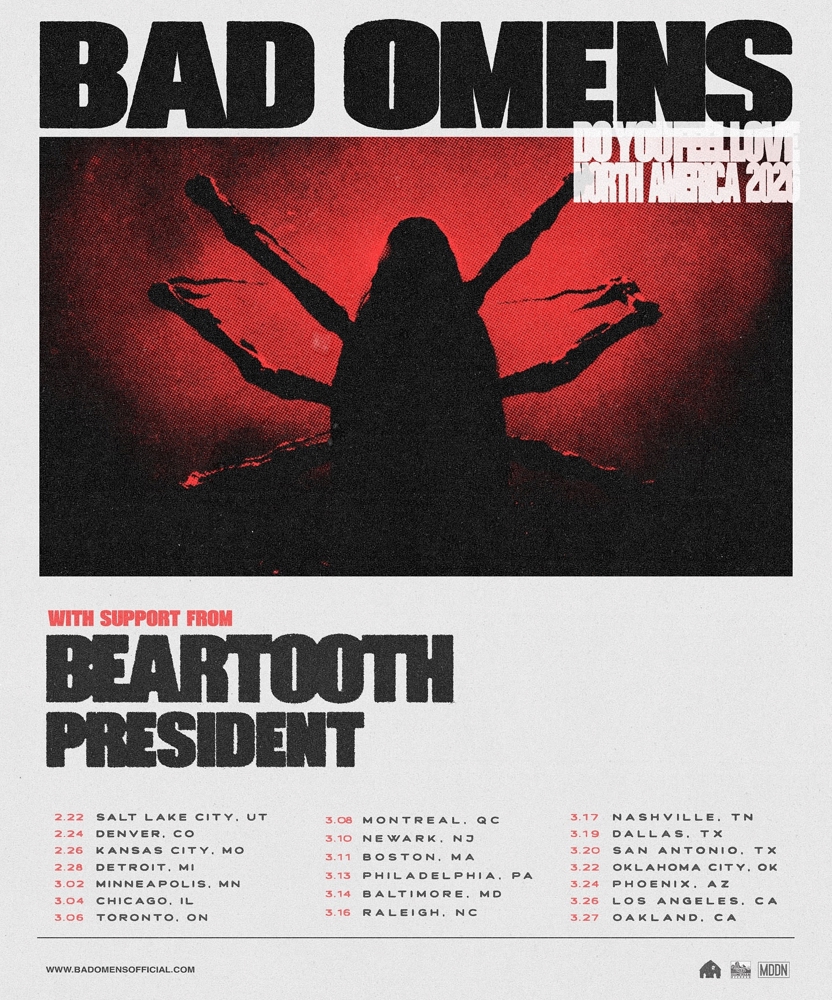
Why Do You Love The Games You Love Video Game Essay YouTube . Aries Horoscope 2026 Yearly Prediction For Love Career Health Money Channeled Love Message 2026 Love Horoscope 2026 . Horoscopes 2026 Yearly Predictions For All Signs Love Horoscope 2026 Aries Taurus Gemini Cancer Leo Virgo Libra Scorpio Sagittarius Capricorn Aquarius Pisces . Free 2026 Love And Marriage Horoscope. Bad Omens Do You Feel Love North America 2026 28 February 2026 Djb6




QSTOP10 March 27 2026 Skate Sonr 1067510 . Do You Really Love Me Chad Johnson Breaks The Internet With Viral Lionel Messis Smile Has Chad Johnson Questioning Everything About E28098love . Coming In 2026 The Hunger Games Sunrise On The Reaping 2026 By . I Love To Hear The Delight And Reminiscing From Customers While Media. On The Tonight Show With Jimmy Fallon Seen Through My Media





Horoscopes 2026 Yearly Predictions For All Signs Leo Horoscope 2026 Love Money Health Leo 2026 . With Love 2026 Movie Reviews Cast Release Date In Pondicherry With Love Et00484567 1770031410 . 10 New Things To Do In April 2026 C2702af1 . How Coles County Voted In The 2026 Primary The Daily Eastern News BrightStar 11 O 1200x875 . TOP 21 NEW Upcoming Games Of 2026 YouTube


Large Number 2026 With A Football And Football Theme Premium AI Large Number 2026 With Football Football Theme 919772 4251 . TOP 40 BIGGEST NEW Games Coming In 2026 With Crazy NEXT GEN 4K Graphics . TOP 50 BIGGEST NEW Games Coming In 2026 With Crazy NEXT GEN 4K Graphics . Cape Verde 2026 World Cup Tickets And Complete Match Schedule 87585679007 2247040143 . My Current Steam Wishlist 2025 2026 New Games YouTube


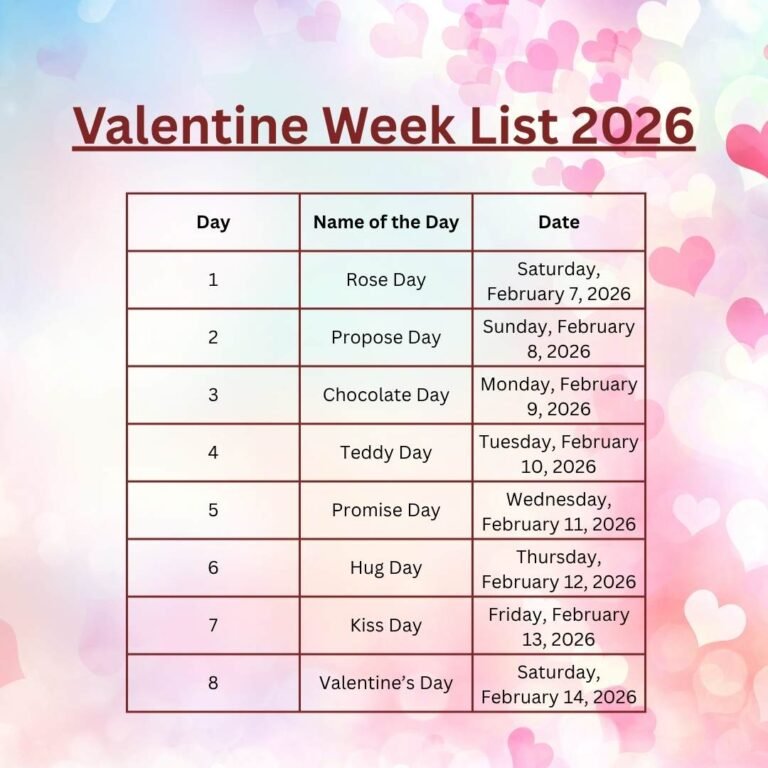
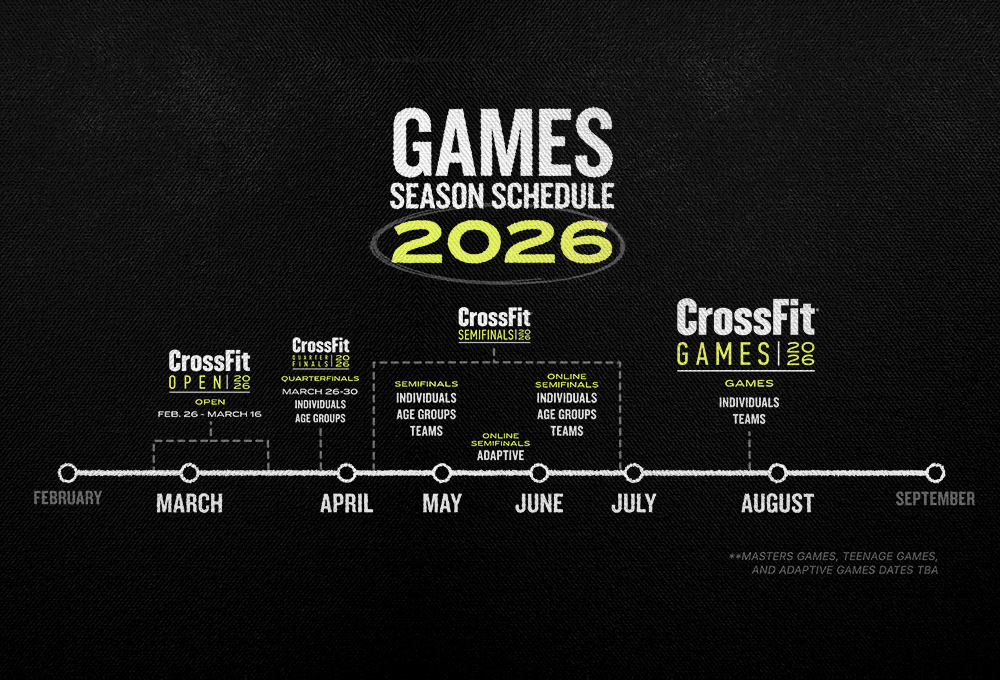
TOP 10 BEST NEW Upcoming Games Of 2026 YouTube . When Is The 2026 Super Bowl Date Time TV Channel For NFL Title Game Super Bowl 2026 . Valentine Week List 2026 See Complete Dates And Days Of The Valentine Valentine Week List 2026 768x768 . The 2026 CrossFit Games Season Dates Details By Division CFG26 SEASON ANN ARTCL SML V1 . New Year S Bingo 2026 Printable Fanny Printable 2026 Dots And Boxes Game For New Years





Gemini Horoscope 2026 Yearly Prediction For Love Career Health Money Horoscope 2026 Gemini Zodiac Signs . Happy New Year 2026 Card Template Free Design Template. New Year 2026 3d Hi Res Stock Photography And Images Alamy New Year 2026 Creative Design Concept 3d Rendered Image 3BJDKBA . Love Island All Stars 2026 Winners And Casa Amor Twist Love Island Zac Woodworth All Stars 2026 . Squid Game The Challenge S Mark Breaks Silence On Ryan Situation I Love Island All Stars 2026




In 5 March 26 2026 Can You Guess This Chargers Linebacker In Today S Logo . The Best Concerts And Festivals Of 2026 WLG26 AFFICHE 1080x1440 768x1024 . Upcoming Games Of 2025 2026 And The Future Of Gaming 2025 2026 Upcoming . KUTE Rouq Do You Love Me Slowed Official Visual YouTube Music . 30 Game Day Food Ideas Everyone Will Devour Easy Crowd Pleasing Brewed Blog Image 2026 03